
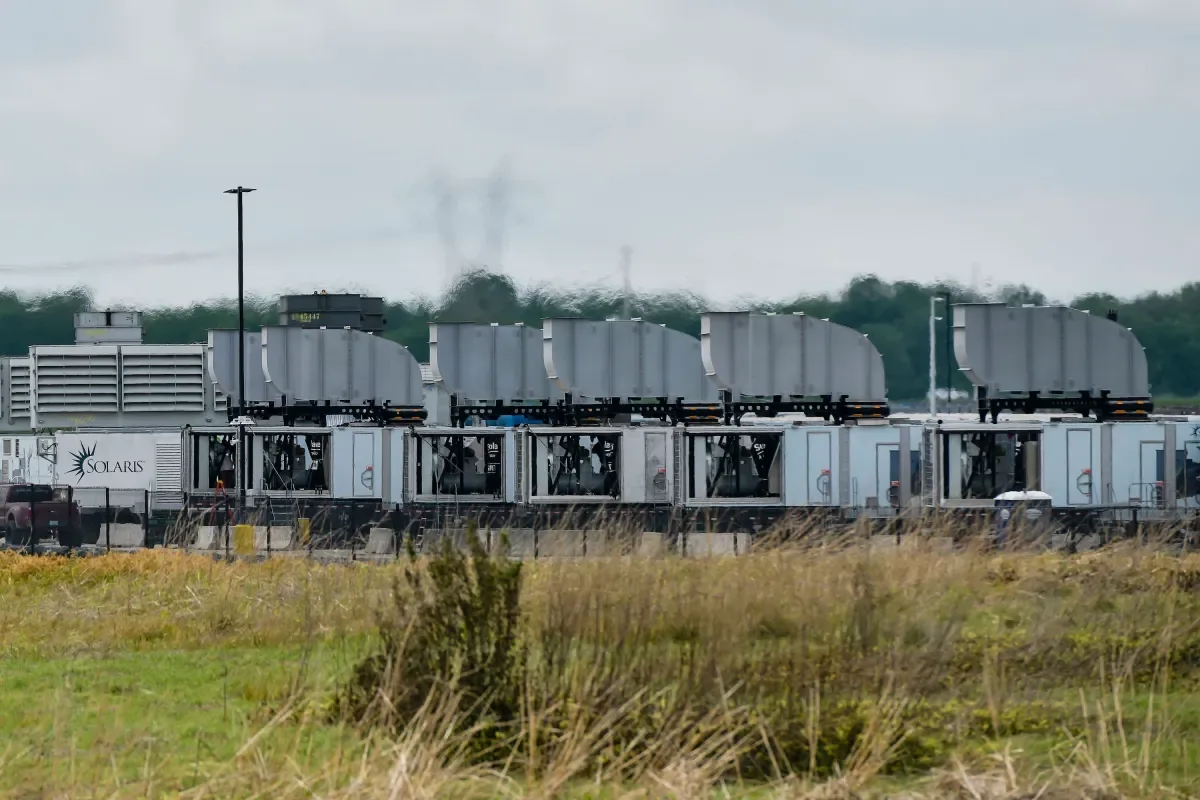
A federal judge denied xAI motion to dismiss a lawsuit brought on behalf of the NAACP over air pollution from the Colossus data center outside Memphis. The case centers on at least 35 combustion turbines that allegedly operated without preconstruction or operating air permits. For companies building AI capacity, the ruling matters because environmental permitting is becoming a direct constraint on deployment timelines.
Why the court kept the Colossus permit case alive
The suit was filed on behalf of the NAACP by the Southern Environmental Law Center. It accuses xAI, described in the report as a SpaceX-owned company, of installing and operating at least 35 combustion turbines and other pollution sources at Colossus without required permits. The plaintiffs also allege a violation of the Clean Air Act. TechCrunch said it had contacted SpaceX for comment.
xAI argued that the turbines were exempt because they are mobile, and that the plaintiffs lacked standing to sue. Judge Debra M. Brown rejected those arguments, finding statutory standing under the Clean Air Act and holding that the turbines are not mobile sources under Mississippi State Implementation Plan. She also rejected the claim that the citizen-suit provision violates Article II of the Constitution or the private nondelegation doctrine.
The judge reasoned that citizen-suit plaintiffs sue in their own name and seek penalties that redress harm to themselves, so they do not exercise federal executive power. NAACP director of environmental and climate justice Abre Connor called the decision another important victory in holding xAI accountable. A similar dismissal motion from the Department of Justice was denied earlier in October, according to the report.
What the ruling means for AI infrastructure plans
For operators and enterprise buyers of AI capacity, the immediate consequence is longer and less predictable approval work for large sites that rely on on-site gas generation. Permit applications, emissions documentation, and community consultation can add months before additional compute becomes available in a region. Small firms feel this as reduced choice of local hosting and colocation options, while large firms face portfolio risk when one flagship site supports training or inference.
The limits of this news should be kept in view. The court did not decide whether xAI violated the Clean Air Act, only that the claims will proceed. The mobile-source question turns on the specific Mississippi plan cited by the court, not on a general rule for all backup or temporary turbines. Buyers should ask vendors where generation assets are permitted, which permits are pending, and what fallback capacity exists if operations are restricted.
The marker to watch is how the case moves toward discovery, trial, or settlement, and whether regulators require permits, controls, or operational changes at Colossus. Parallel signals include state moratorium proposals after New York action, pledges by Amazon and Microsoft to stop using NDAs with agencies, and debate ahead of the U. S. midterm elections. Together they will show whether permitting becomes a standard gating item for AI data-center projects.
