
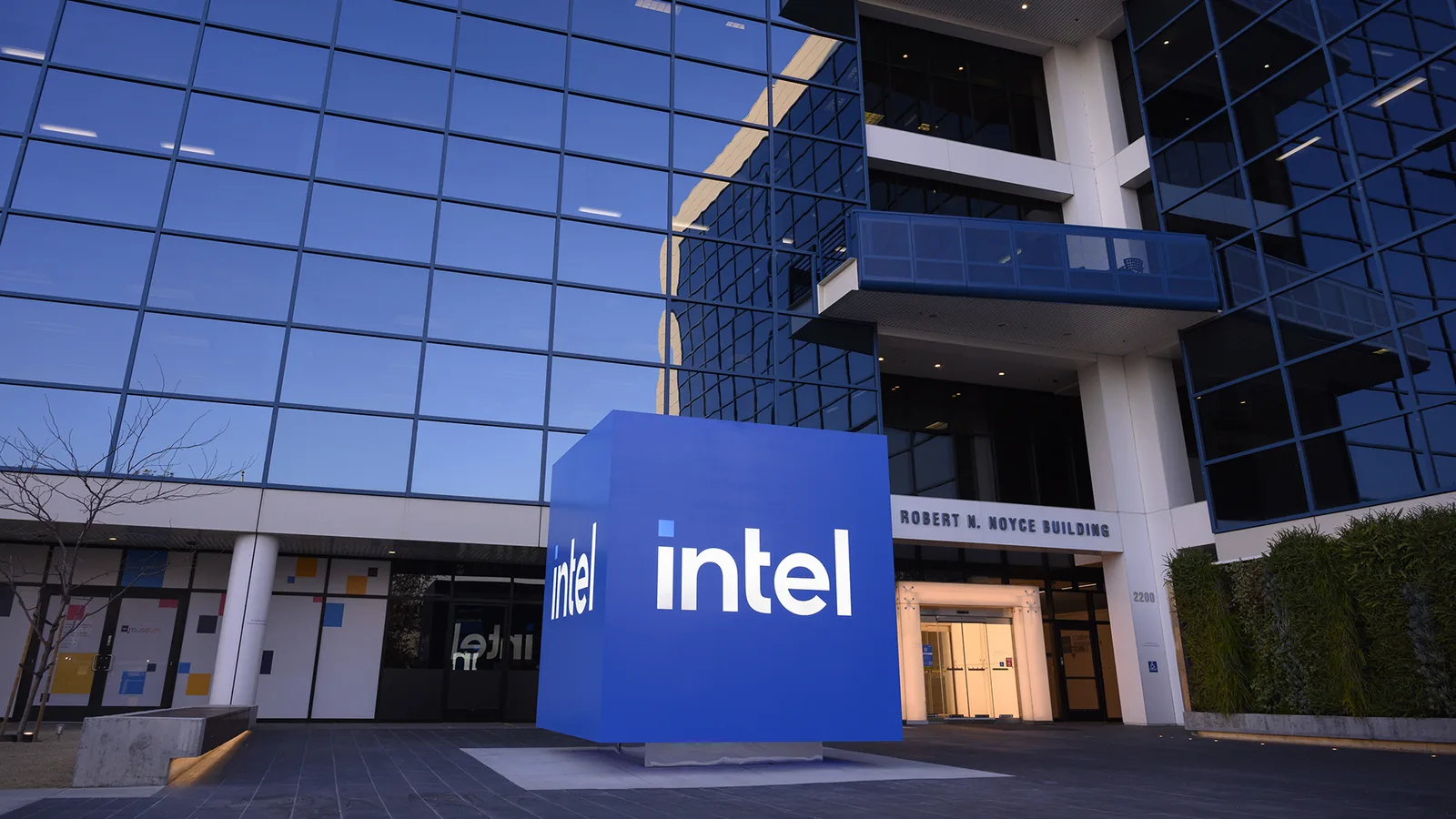
Intel Chief Executive Lip-Bu Tan and Broadcom Chief Executive Hock Tan said access to capital could become the main constraint for the artificial intelligence sector. The two executives spoke at a financial conference in Singapore, where both lead key suppliers of data center chips. Intel currently can meet only 50% of orders for its central processing units, driven by demand from AI agents running tools. The warning matters because chip supply and financing now shape how fast companies can deploy AI.
Chip shortages, training costs and pilot revenue
Broadcom supplies network processors and custom AI accelerators, while Intel provides central processing units used alongside accelerators. Hock Tan predicted that shortages of some data center chips would ease by 2028 or 2029, yet the gap between demand for computing capacity and supply could persist into 2030. Intel disclosed last month that it covers only half of CPU orders, which shows how tight availability remains. The two positions together point to several years of allocation decisions for buyers of infrastructure.
Broadcom helped OpenAI design its first custom inference chip earlier this year, and Hock Tan linked that work to the economics of frontier models. He said OpenAI is still losing money because it spends heavily on training large language models, so current results show potential revenue growth rather than proven profitability. The Financial Times reported last month that Anthropic posts gross margins above 80% when training costs and revenue shared with go-to-market partners are excluded. Anthropic is reportedly on track for positive adjusted operating income for a second straight quarter.
Hock Tan said a sizable share of AI labs' enterprise revenue still comes from pilot projects rather than scaled deployments. He compared the pattern to a child spending $10 of arcade tokens in 10 minutes without learning anything, arguing that labs need customers who earn a return on inference spending. He also described sharp swings in AI stocks as casino-like behavior driven by extreme investor expectations. Lip-Bu Tan added that open-source language models from Chinese labs are proving good enough for many budget-conscious users and have gained traction over the past year.
What this means for AI adoption budgets
For companies deploying AI agents and related tools, the near-term effect is longer planning horizons for compute capacity. If CPU supply covers half of orders and network and accelerator shortages extend toward 2028, expansion projects will compete for limited hardware and cloud quotas. Smaller firms may feel the constraint first through delayed deliveries or higher prices for priority access. Larger buyers can secure capacity through multi-year commitments, but that locks capital and raises the bar for project selection.
The financing message deserves separate attention when evaluating vendors and roadmaps. Hock Tan called access to capital possibly the biggest constraint, while Lip-Bu Tan pointed to capital, cost of capital and longer-run return on investment. Pilot-heavy revenue and high training costs mean some providers depend on continued funding rather than self-sustaining operations. Buyers should ask what share of a supplier's revenue is recurring production use, how inference pricing changes at scale, and what happens to support if funding tightens.
The marker to watch is whether chip availability improves by 2028 or 2029 as Hock Tan predicted, and whether pilot spending converts into repeat inference contracts. A parallel signal is progress in open-source models and quantum computing, where Lip-Bu Tan expects mainstream use in three to five years after a 12-qubit Intel system deployment at Argonne National Laboratory in January. If capacity eases and enterprise renewals rise, the capital constraint will soften. If not, AI rollout plans will stay selective.
