
F13 has come out of stealth with a $5M pre-seed round led by Credo Ventures and Point Nine Capital to train AI models that generate vector graphics. Angel investors Carles Reina of Baobab Ventures and Jack Richardson of Mainframe also joined the round. The startup positions its system against popular image models that produce creative pictures but miss data and proportions. For companies, the difference matters where a chart or diagram must match facts, not just look polished in a slide.
How F13 differs from image generators
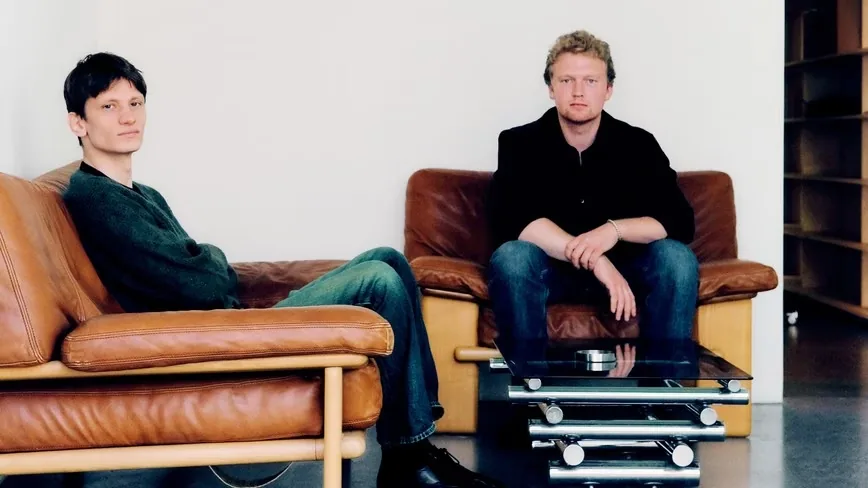
Backing for the round came together without a formal pitch deck, with chief executive Gregory Janik saying the first cheque followed a chance conversation with an investor. The capital will bring the first model to market and pay for computing power, data and hiring as F13 prepares models for more complex design tasks. Janik reports two prior exits, including a drone company later acquired by Helsing. Co-founder Ingimar Tomasson trained as a mathematician at UCL and works as a machine learning researcher. The pair first met at edtech company Knownunity while working on product visuals.
By design, the model accepts text, images or existing graphics as input and returns output that follows the user's design specifications. Results stay fully editable, so staff can revise a draft instead of rebuilding a file from zero. F13 says proprietary technology helps the model interpret 2D space more reliably than current approaches. In its own tests, the system outperformed general-purpose image and code models from major AI labs. Early access customers already work through an API and a web app that support creation, editing and sharing of designs.
The bet rests on a format difference. Vector images consist of shapes and coordinates rather than pixels, so they scale without quality loss and allow separate lines to be changed. Designers and engineers use the format for charts, diagrams, maps and brand assets where exact proportions matter more. F13 says general tools often need minutes for a single visual and still miss data or layout, and Janik describes the goal as visuals true to the brief with correct proportions and accurate data. Point Nine partner Pawel Chudzinski frames the gap as workflow: engineers delegate routine work to AI agents, while designers still draw by hand.
What this means for companies using AI
For operating teams, the near-term use covers charts, editorial infographics, scientific and teaching diagrams, maps and presentation layouts matched to company brand. Because results remain editable and shareable, marketing, sales and training groups can adjust numbers, labels and layouts without returning to a designer for every change. Access runs through an API for embedding in internal tools and a web app for direct editing, with early access open now and a public launch scheduled for later this year through a waitlist. Small firms gain a way to produce consistent client materials, while larger firms can standardize decks and documentation across departments.
Caution is still warranted on performance and maturity. The claim of beating models from major AI labs rests on F13's own tests, with no independent benchmark or customer metric disclosed. As a pre-seed product, the first model targets defined materials, while models for more complex design tasks remain in development. Buyers should test whether output respects data bindings, brand rules and layout constraints on their own files and how much manual correction remains. Key checks include supported input formats, edit granularity, sharing controls, and what data the vendor retains for training.
Confirmation will come with the public launch later this year and whether early access users move recurring chart, diagram and deck work into the API and web app. Repeated use for data-heavy materials would signal that accuracy holds outside demos and in daily production. If adoption stalls at one-off illustrations, the product stays a drafting aid rather than a step toward automated design operations.