
Docusign announced the acquisition of Suplari on November 3, 2026, adding an AI-native procurement intelligence company to its Intelligent Agreement Management platform. The goal is to connect contract terms with spending and supplier activity inside IAM. The deal targets fragmented procurement records spread across contracts, finance systems and spreadsheets. For businesses, this matters because sourcing decisions could draw on agreements and actual spend in one place.
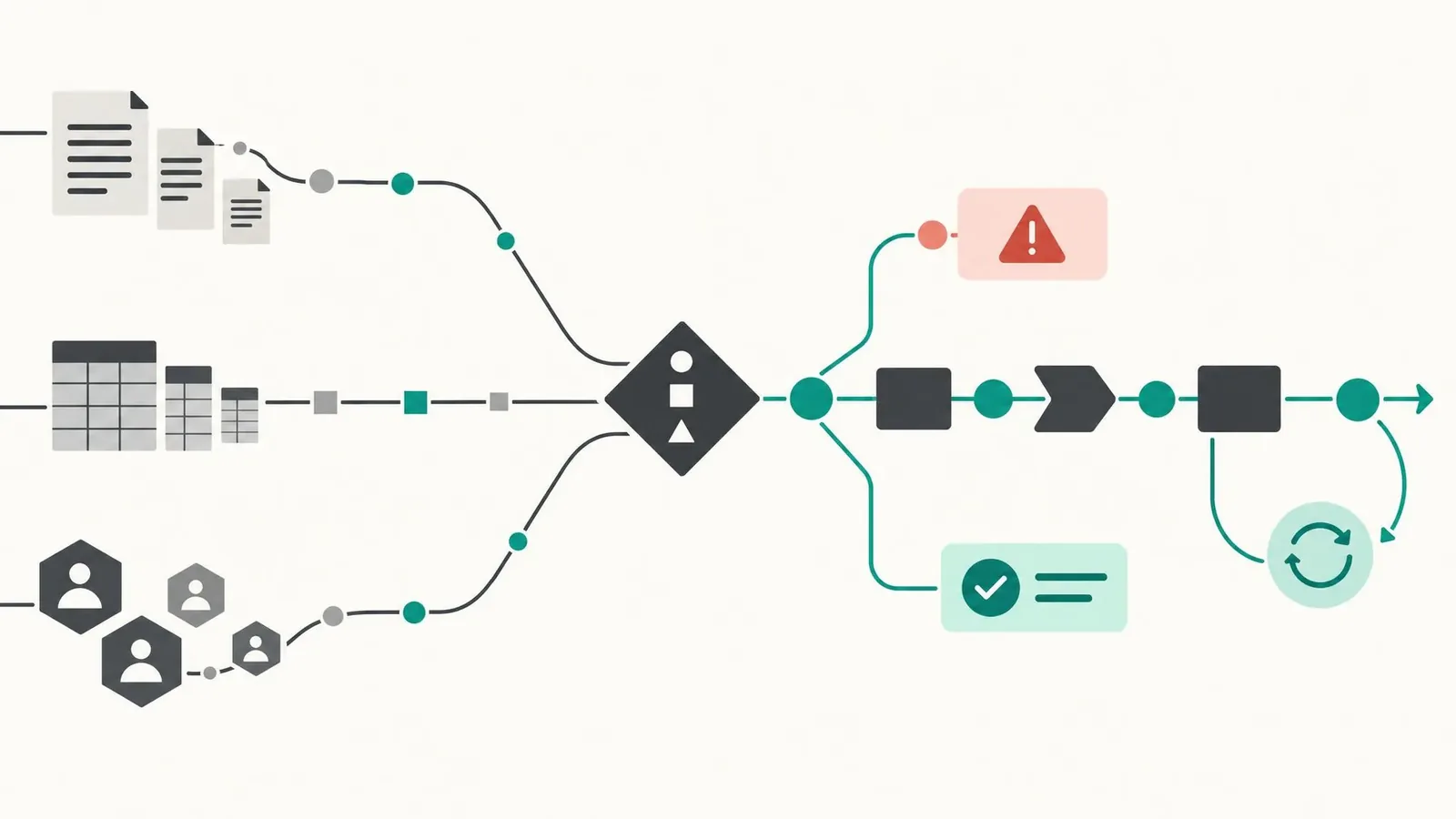
How Suplari fits into Docusign IAM
Docusign said Suplari brings both technology and expertise intended to accelerate procurement product development within IAM. Chief executive Allan Thygesen framed the logic as joining two views: what supplier agreements say and how companies actually spend. Suplari chief executive Jeff Gerber said his team built its product to cut time spent assembling data and leave more time for decisions. The combined pitch centers on better buying decisions, lower unnecessary costs and more value from each supplier agreement.
The planned technical link pairs Suplari procurement intelligence with Iris, Docusign agreement AI engine. AI agents built on that pair are expected to find chances to consolidate purchases, cut unnecessary spending and capture negotiated savings. For supplier accountability, Iris would extract commitments from agreements while Suplari monitors fulfillment, spots gaps and supports earlier follow-up. Risk monitoring would flag issues such as purchases outside agreed terms and guide teams with priorities and recommended actions.
Renewals and negotiations form a third planned use, where spending patterns joined to contract terms help assess supplier performance before renewal. Docusign also plans to expand integrations with business systems including SAP Ariba, Coupa and Oracle. That approach places agreement intelligence inside everyday procurement tools rather than a separate console. Suplari says its platform connects bidirectionally with ERP, procure-to-pay, sourcing, contract and risk systems without replatforming or custom integrations.
What this means for procurement operations
For companies that buy through many suppliers, the change would show up in preparation work before sourcing and buying decisions. Suplari says its platform unifies spend, supplier and contract data from ERP and procure-to-pay systems, classifies transactions automatically and tracks savings through to validated profit-and-loss impact. Small teams could spend fewer hours reconciling spreadsheets, while large enterprises gain a cleaner base for consolidation and renewal reviews. The practical gain depends on how completely IAM covers existing finance and contract sources.
The limits sit in implementation detail and data quality. Suplari says its platform is designed for fragmented and inconsistent data, continuously cleaning, classifying and enriching it, with controls, permissions and audit trails. Its agent lineup includes Suplari Worker for monitoring and workflow execution with or without human approval, Suplari Assistant for plain-language questions with traceability, and Suplari AI Studio for no-code custom agents. Buyers should ask which approvals stay mandatory, how traceability is shown, and which integrations are ready at launch.
A concrete marker will be delivery of the planned IAM work: Suplari data and agents operating with Iris inside tools such as SAP Ariba, Coupa and Oracle. Appearance of consolidation suggestions, fulfillment-gap alerts and renewal briefs in live procurement workflows would confirm progress. Until those functions ship, the acquisition remains a product roadmap rather than a finished capability.
