
Discovered Materials has put up $1 million in prizes for AI models that can solve five open problems in materials science, a field where frontier systems have lagged behind mathematics and life sciences. The San Francisco startup, part of Y Combinator's spring 2026 batch, framed the contest as goalposts for measuring real progress in understanding complex physics. The move matters for business because new substances for advanced chips, energy storage and manufacturing could shorten industrial R and D cycles.
Five open problems selected with academics
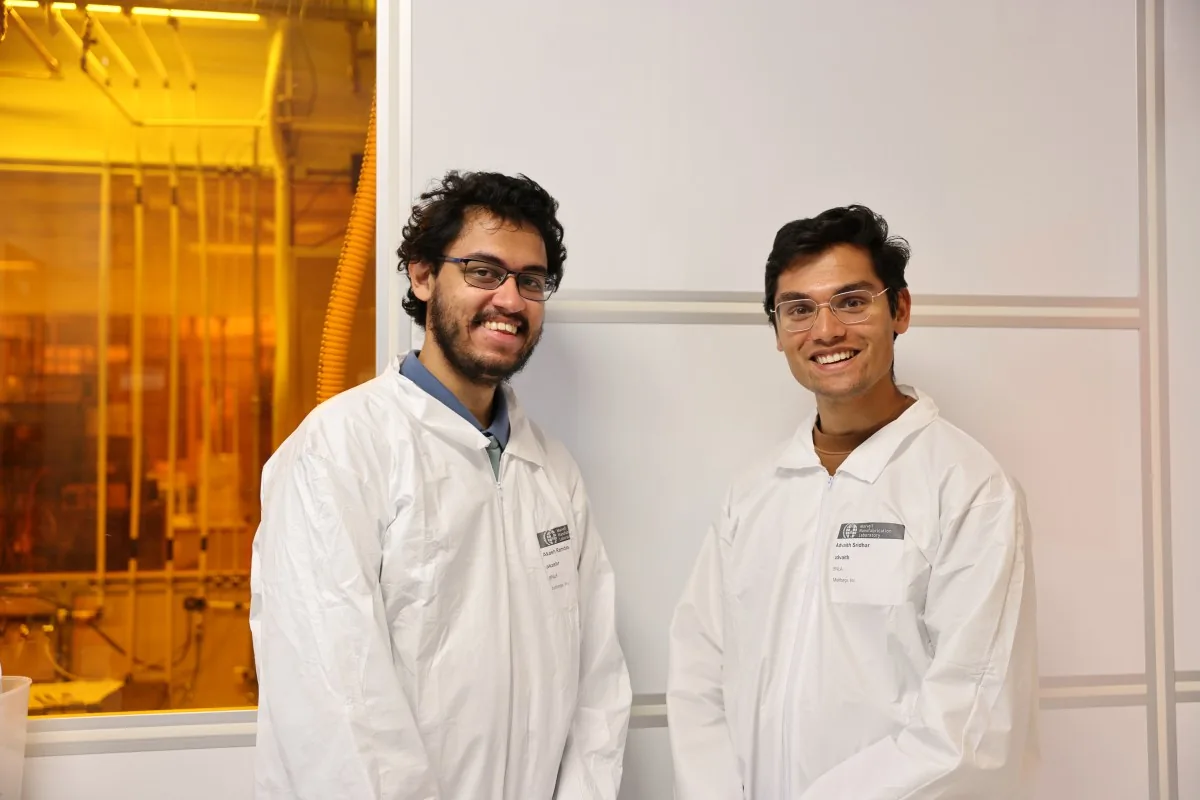
The company recruited an advisory group of academics at leading global universities to define the five challenges, since materials science has no equivalent of the Millennium Prize Problems. The total prize pool is worth $1 million, with awards attached to solutions for the individual problems. Stanford professor Felipe Jornada, who helped develop the challenges, said the phenomena in question are observed but unexplained, and answers would shape electronics, energy storage and future materials production. Co-founder Advaith Sridhar said the field lacks the clear yes-or-no definitions found in mathematics, which makes specifying problems harder.
Before publication, Discovered Materials tested frontier lab models on the challenges by giving AI agents internet access and other resources to work autonomously for days. The models spent several days on each problem without making much headway, according to the company. That baseline suggests the tasks are not solvable by simply running a current model for a longer session. Sridhar said OpenAI or Anthropic could still attempt them with far more compute or a newer model, and that outcome would itself be informative.
The context is a shift in how research targets are set now that AI can surface insights human teams did not anticipate. Sridhar described the approach as defining verification and challenges first, then letting others propose explanations that fit the evidence. In his account, identifying the right questions in materials science is difficult, and professors helped shape which questions deserve attention. Tracking attempts over time would show whether models are climbing in this domain. He added that it does not matter much whether the startup, a frontier lab or a professor finds the answer, as long as understanding deepens.
What the contest signals for industrial R and D
For companies that buy or develop advanced hardware, the contest points to faster discovery of substances used in semiconductors. Discovered Materials itself focuses on new materials for chips, partners with chip giants on research projects and funds its own scientific efforts. Sridhar said in August, when the seed round was announced, that he hoped for a useful material within a year, and now says timelines have accelerated and confidence has risen. A shorter path from model prediction to an industrially useful material would affect sourcing, prototyping and supplier choice.
Small engineering firms and large manufacturers will feel such a shift differently, even though the prize itself does not create a product. A smaller company could gain access to better candidate materials without maintaining a large physics team, while a large chip or battery maker could screen more options before committing fab or pilot-line time. The practical gain would appear in procurement and development workflows: fewer dead-end experiments, clearer specifications for partners and faster iteration on performance targets. Until solutions arrive, the main value is a public benchmark that vendors and research partners can reference.
The marker to watch is whether any team claims one of the five prizes and how the result is verified. A credible solution would need to explain an observed phenomenon and hold up under independent review, not only score well on a model benchmark. Business observers should also watch whether Discovered Materials delivers an industrially useful material in under a year, as Sridhar now expects. If both the contest and the product timeline advance, it would confirm that AI methods are moving from demonstration to supply-chain relevance.
