
Cerebras Systems CEO and co-founder Andrew Feldman said a future where every home has a personal AI appliance is not far away. Speaking at TechCrunch Disrupt 2026 on Tuesday, he linked that shift to progress in consumer AI agents that are gaining traction with everyday users. He predicted assistants that run locally, know their owners well, and can make purchases on their behalf. For businesses, this matters because demand for such devices would reshape where AI workloads run and what vendors build.
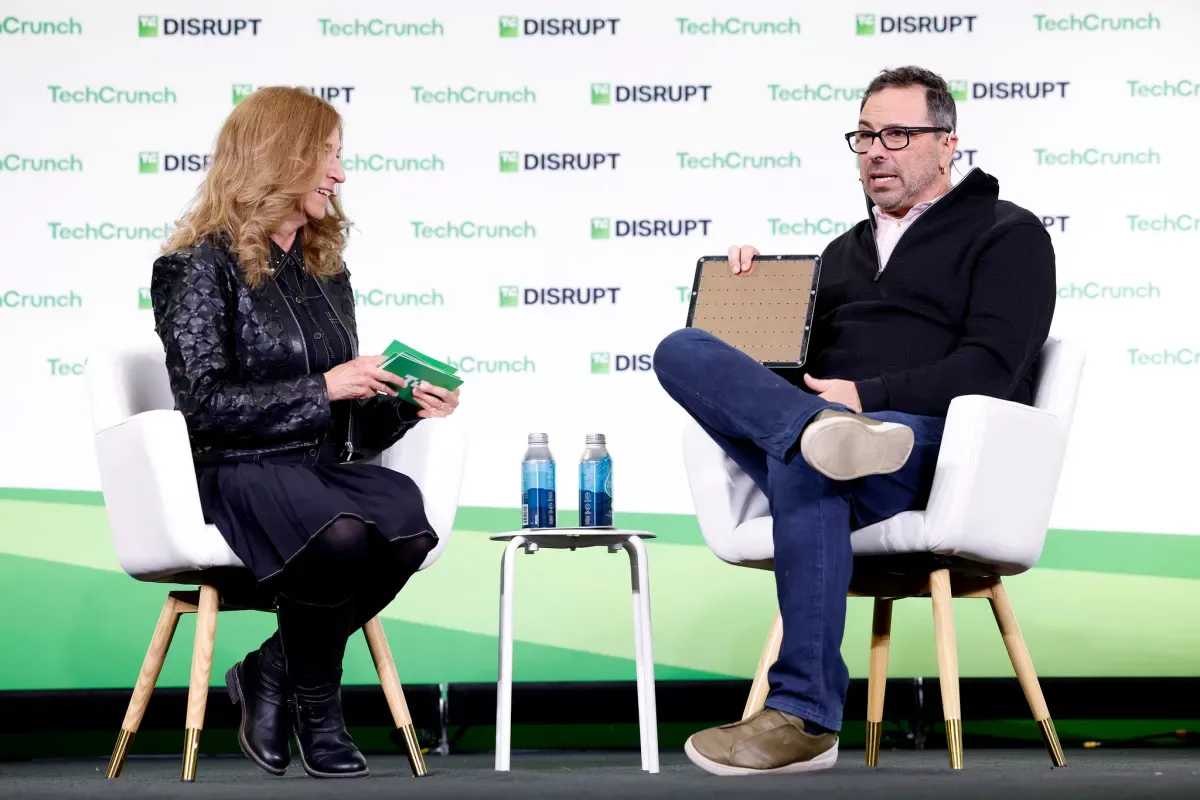
Feldman on timing and consumer agents
The statement came in response to a question about what would need to happen for AI to become a home appliance. Feldman answered directly that he does not think that moment is very far away. He cited advances in consumer AI agents as evidence that the technology is finding footing beyond enterprise use. Among the examples he named were Meta's Muse and Instinct, a startup now valued at $10 billion. That valuation signals investor confidence in consumer-facing agents as a distinct product category. The setting matters as well, since Disrupt brings together founders and infrastructure providers shaping next steps.
Feldman described the likely home assistant as a hybrid system, similar to a cell phone. Some work will run on device, while other tasks will go back to the cloud for heavier processing. The assistant will get to know its owner very well through continuous interaction with calendars, contacts, and preferences. He also outlined a security perimeter around the device to protect personal data and payment credentials. With access to credit cards, the assistant could buy things for the user without manual ordering. He framed the outcome as a meaningful improvement in daily life rather than a novelty feature.
The context for the remarks is Feldman's role leading an AI chipmaker focused on infrastructure. Widespread adoption of agentic technology would expand demand for compute both in data centers and at the edge. Cerebras builds hardware platforms, while other companies develop consumer applications on top of them. Feldman said he prefers infrastructure for exactly that reason, building platforms that let other founders ideas take flight. His own usage supports the point, as he now relies on a collection of agents to sweep his calendar. Those agents also pull up information about people he is about to call, replacing manual preparation.
What local assistants mean for companies
For companies that sell or deploy AI, a move toward home appliances would split the market between cloud services and local-first products. Vendors would need to offer models that run efficiently on limited hardware while still connecting to cloud resources for complex tasks. Support teams would face new questions about setup, data sync, and payment permissions inside households. Small firms could enter through specialized agents for scheduling, shopping, or household management without building full infrastructure. Large firms would need to integrate such assistants with existing customer accounts, loyalty programs, and checkout systems.
The model also raises practical limits that buyers should examine before committing to a roadmap. A security perimeter sounds reassuring, but its implementation will determine who controls stored credentials and conversation history. Local processing reduces some privacy exposure, yet cloud fallback reintroduces data transfer and retention issues. Purchasing authority creates liability questions when an agent orders the wrong item or exceeds a budget. Feldman's comments did not specify standards, certification, or timelines for these safeguards. Companies should therefore ask vendors how permissions are granted, revoked, and audited across device and cloud.
The marker to watch is whether consumer agents move from demos to paid household use with payment access. Launches that combine local runtime, calendar integration, and controlled purchasing would confirm Feldman's timeline. Attention should go to announcements from Meta around Muse, from Instinct after its $10 billion valuation, and from chip suppliers enabling on-device inference. If those products show retention rather than trial usage, enterprise software providers will need to adapt. That shift would confirm that infrastructure investment is translating into home demand.
