
Calorie-tracking app Cal AI generated more than $30 million in revenue in two years and was acquired by MyFitnessPal in March for an undisclosed sum. Founder Zach Yadegari, 19, described the growth engine at TechCrunch Disrupt as a paid network of influencers posting at scale. The case matters because it shows a repeatable customer acquisition model for a consumer AI product.
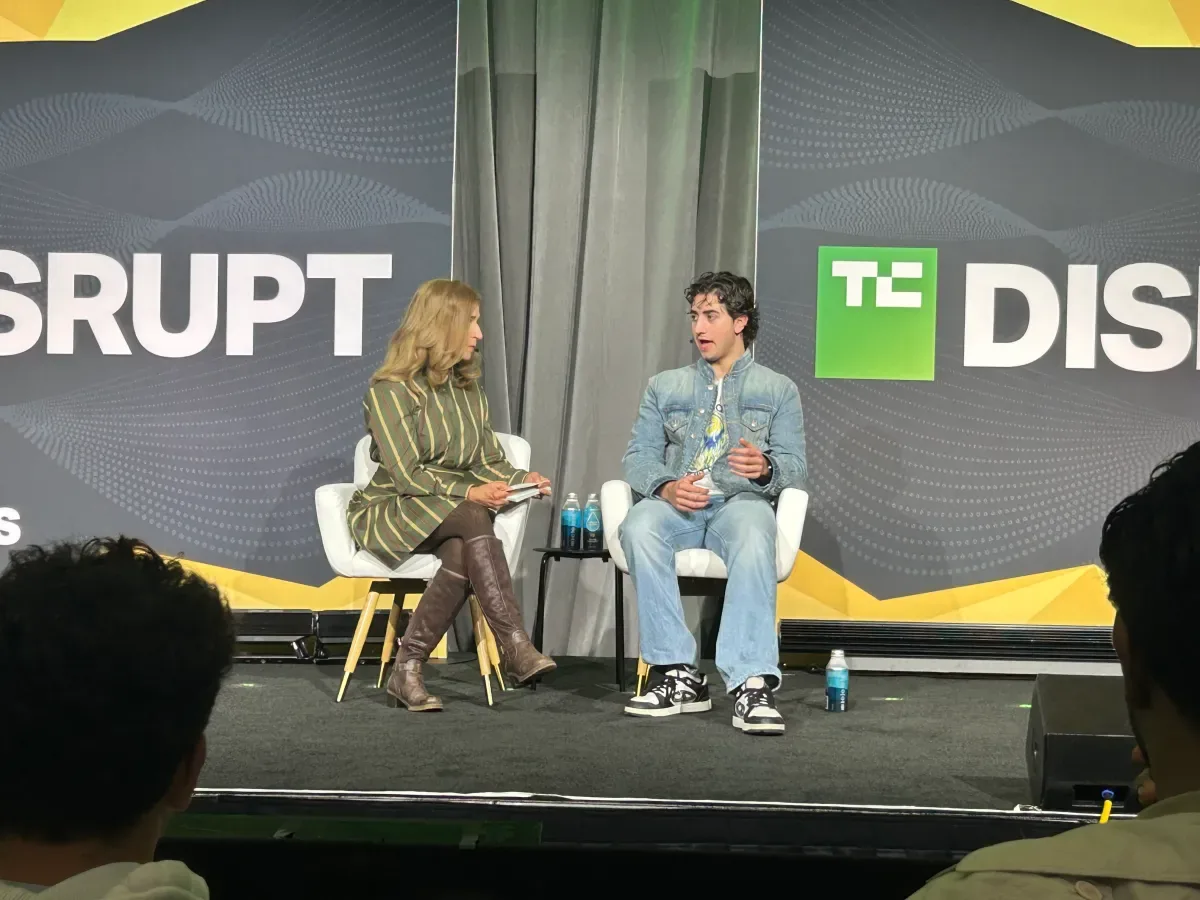
Influencer engine behind Cal AI growth
Cal AI was founded in 2024 and rose to viral fame over the following two years, according to Yadegari. An early signal came when one influencer post brought approximately a thousand new users within two days. After that test, the team began recruiting creators as fast as possible and paying as many people as possible to post. The Forbes 30 Under 30 alumnus shared the account onstage on Thursday.
Yadegari described the mechanism as linear and extremely fast: each post produced a certain number of views that converted into users. The company negotiated rates tied to reach, promising defined payouts for a defined scale of views. Creators were asked to keep posting until the agreed usage level was reached. He characterized many participating influencers as cash-constrained college students willing to accept performance terms.
Selection focused on measurable reach and tight communities rather than broad fame. Yadegari said influencers with concentrated audiences delivered the conversion the company needed. The approach emerged after graduation from high school and with family support that allowed him to pursue the venture. He added that college held little professional value for him beyond social life, a remark that drew laughter from the audience.
What consumer AI teams can take from the exit
For companies selling consumer AI, the lesson is distribution through many small paid placements instead of a few large brand deals. A thousand users from a single post becomes material when dozens of creators repeat the format each week. Small teams can test one creator, measure installs over two days, then expand spending only where conversion holds. Large firms can run parallel cohorts across audience niches without rebuilding the product.
The model also carries limits that buyers of growth should verify before copying it. Cal AI disclosed revenue and the acquirer name, but not acquisition price, retention, or cost per acquired user. Performance deals tied to views do not guarantee long-term use of a calorie tracker. Questions to ask include how installs convert to paid plans, how quickly creative fatigues, and what happens to volume when payments stop.
The marker to watch is Persona, the AI agent startup Yadegari launched earlier this month with $10 million raised. Its assistant is planned to work across iMessage, app, email and phone call, with a hardware ecosystem around it. If the same influencer system acquires users for a general assistant, the method will look like a transferable playbook rather than a single viral product.
