
Amazon Web Services increased revenue by 39% to $46bn in the third quarter, its fastest growth in almost five years. Over the same period Amazon free cash flow fell to minus $42.4bn over twelve months, against positive $14.8bn a year earlier. Total revenue rose 12% to $201.9bn, while operating income reached $28.1bn with a record margin of 13.9%. For companies buying cloud AI capacity, this combination of rapid demand and heavy spending sets the terms for the next two years.
AWS backlog, spending and 2027 plans
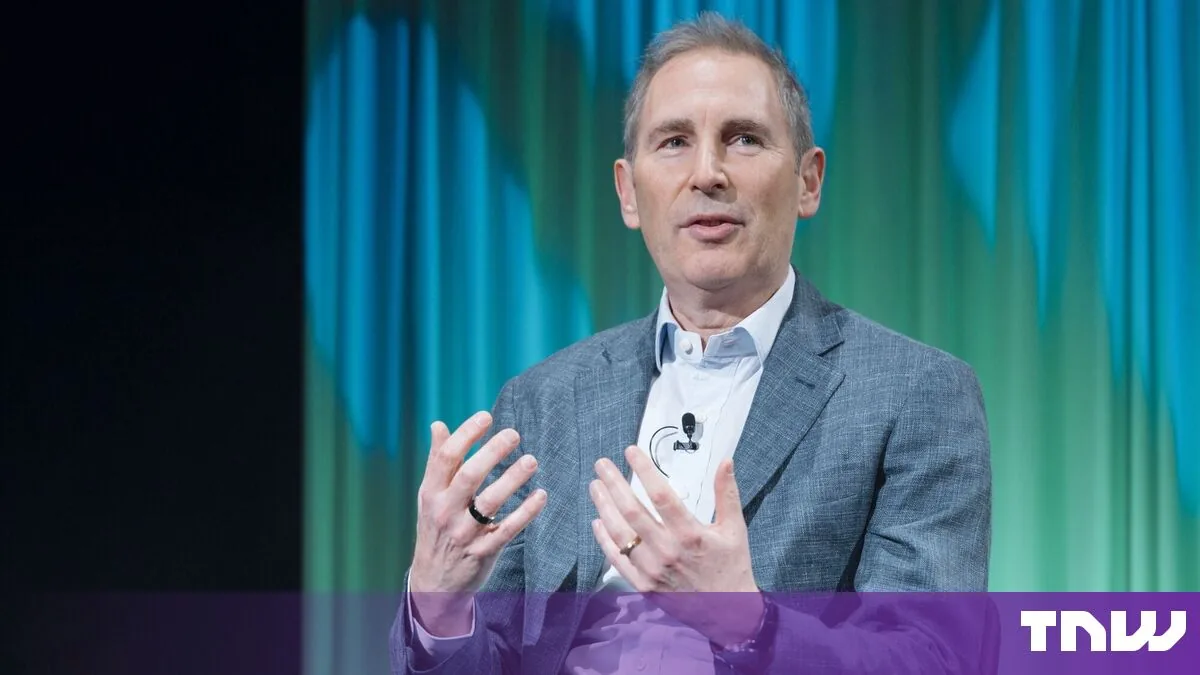
AWS operating income rose to $17.8bn from $11.4bn a year earlier, and the unit now runs at an annual revenue rate of $184bn. Its backlog reached $578bn, which frames the scale of contracted demand behind the current quarter. Chief executive Andy Jassy said Amazon installs an AI accelerator about every 14 seconds, and customers absorb capacity almost as fast as it appears. He expects AWS revenue to grow by more than 40% in both 2027 and 2028.
Capital spending explains the cash pressure. Amazon spent $77.3bn on property and equipment in the third quarter, compared with $35.1bn a year earlier. Purchases of property and equipment rose by $94.8bn over twelve months, mostly for AI, according to the company. Amazon still guides about $220bn of cash capital spending this year, a figure set in July. It raised $48.1bn of long-term debt in the quarter, and a later filing allows borrowing up to $80bn against purchased AI hardware.
Late in 2027 Amazon plans to start selling its Trainium AI chips outside AWS, adding a hardware product to its cloud business. Earlier in October it released TorchNeuron for Trainium, letting developers run PyTorch code on those chips. Jassy said Amazon will spend meaningfully more in 2027, citing a clear line of sight to attractive returns. In the results statement he added that there has never been a trillion-dollar revenue business, and Amazon may have two of them in the next five to ten years.
What this means for buyers of cloud AI
For AI adopters, the $578bn backlog and rapid absorption of accelerators point to continued tight supply of high-performance cloud capacity. Large enterprises can respond by reserving capacity early, aligning model training and deployment schedules with contracted quotas, and testing Trainium-based options alongside established accelerators. Smaller firms without long-term commitments may face less flexibility on regions, instance types and scaling windows. Procurement plans for 2027 should therefore treat GPU and accelerator access as a constraint, not a commodity.
The financing structure also matters for vendor selection. Negative free cash flow alongside $48.1bn in new long-term debt and up to $80bn in hardware-backed borrowing shows how heavily capacity expansion relies on external funding. Customers should check how their provider passes through costs, guarantees availability, and handles price changes under long contracts. The holiday-quarter guide of $240bn to $247bn in revenue and $28.5bn to $33.5bn in operating income does not by itself guarantee lower cloud prices. Questions on quotas, overage terms and exit options remain central.
The marker to watch is whether AWS sustains growth above 40% in 2027 and 2028 while spending rises further. A second signal is the start of external Trainium sales late in 2027 and developer uptake through TorchNeuron. If both materialize, Amazon will have converted current capital outlays into a broader platform spanning cloud and chips. If growth slows while spending stays high, pressure on cash flow will shape its enterprise offers.
