
AT&T said on November 4, 2026 that its Connected Life home security service now includes Gemini for Home features that describe recorded events, answer conversational video questions and compile household activity into a daily summary. The company presents Connected Life as the first home security product to integrate Google Home Premium advanced capabilities for new customers. Access to the new interpretation tools sits in the Professional monitoring plan at $29.99 per month plus taxes. For security buyers, the point is practical: footage review shifts from manual timeline scrolling to searchable descriptions.
Gemini descriptions, search and retention terms
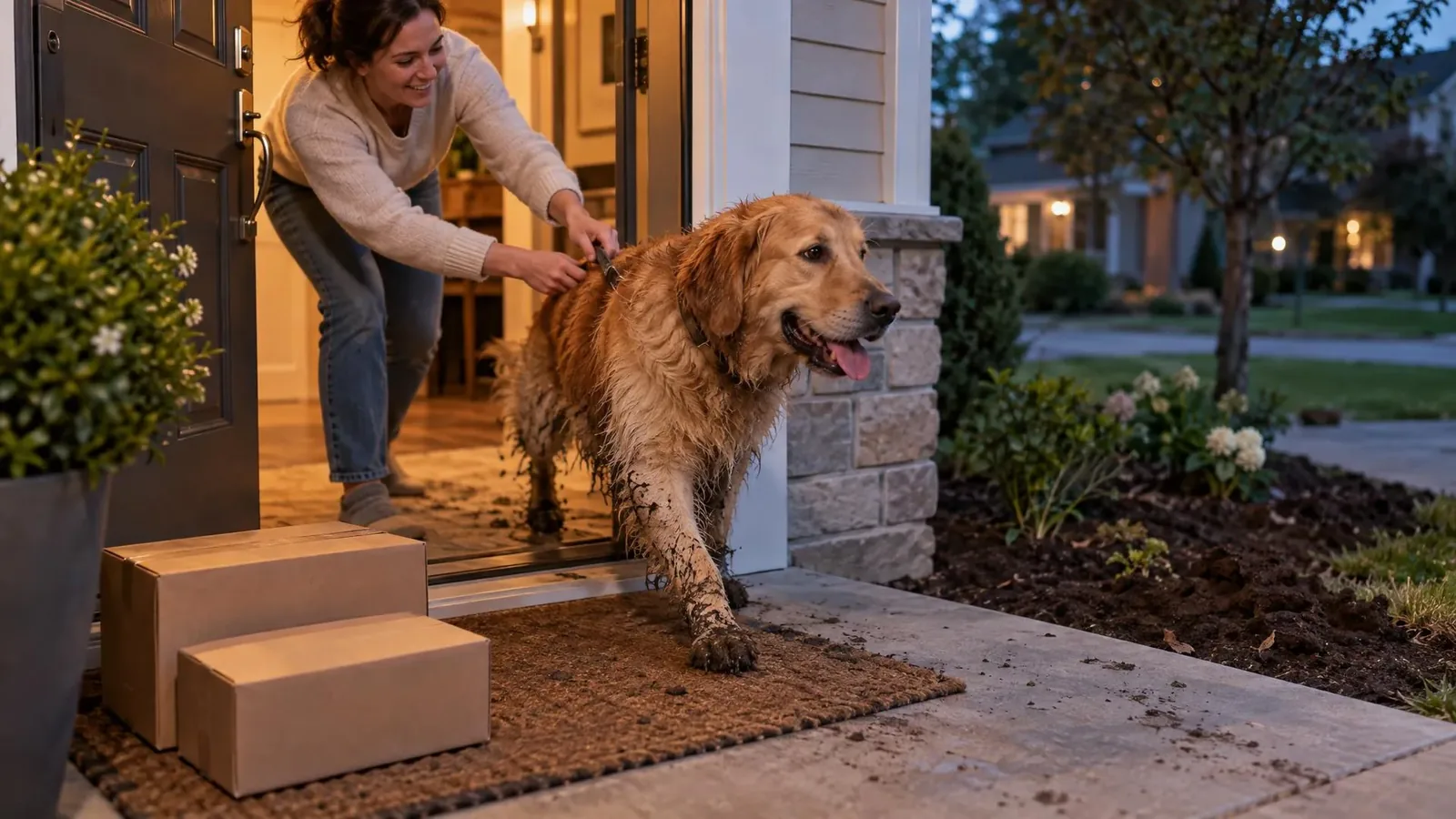
The system generates natural-language descriptions of deliveries, covering the number and size of items, which carrier made the delivery and who else came to the door. Searchable Video History accepts conversational questions about recordings, with examples such as what dug up the yard or who let the dogs out. Home Brief condenses hours of video and household activity into one readable daily narrative. A continuous-recording addition lets customers review footage beyond short event clips.
The Professional plan requires AT&T wireless or internet service and includes Google Home Premium Advanced. It provides 60 days of event-based video history plus 10 days of 24/7 recordings for cameras and wired doorbells. The Essential plan costs $15.99 per month plus taxes and includes Google Home Premium Standard with 30 days of event-based history. Only Professional unlocks Gemini event descriptions, video search, Home Brief and continuous recording.
Professional monitoring runs through a US-based Abode monitoring center that watches the system around the clock and can request police, fire or emergency medical services after an eligible alarm signal. The security hub carries built-in battery backup and AT&T cellular backup for power or internet outages. The Connected Life app supports arming, disarming and checking video feeds. Proximity automation can arm or disarm the system based on the customer location without touching a phone.
What this means for buyers of smart security
For households and small offices, the change reduces time spent finding a specific moment in stored video. A manager checking deliveries or after-hours visits can ask for an event by description rather than assigning staff to watch clips. Larger organizations with several entry points get longer retention on Professional, with two months of events and ten days of continuous footage. The trade-off is bundling: interpretation, retention and monitoring come only together with AT&T connectivity and the higher tier.
The limits deserve attention before purchase. Video search works only when both an event and an object inside that event were captured, so missed detections will not appear in answers. AT&T says results may vary, features are subject to change, availability is limited to select countries and languages, and customers should check responses for accuracy. Featured Google Nest products and services depend on working internet, Wi-Fi and in some cases app availability, and were not designed for life-sustaining or safety-critical uses.
The marker to watch is whether Wi-Fi-based proximity and occupancy sensing moves from research to a shipped feature. AT&T said it is exploring how in-home Wi-Fi signals could support that sensing, while proximity arming based on geographic location is already available. A launch with stated accuracy, supported routers and privacy controls would show that awareness is expanding beyond cameras. Until then, the commercial offer stays fixed: AI search and summaries tied to the $29.99 Professional subscription.
