
Amazon said it will no longer use nondisclosure agreements when negotiating data center projects with local governments, following a similar commitment by Microsoft earlier this year. The pledge appeared inside a longer blog post arguing that data centers benefit host communities. The move matters because secret negotiations have become a central grievance behind local moratoriums and permit delays.
Why Amazon buried the NDA pledge in a blog post
TechCrunch editors Sean O'Kane, Rebecca Bellan and Anthony Ha discussed the announcement on the Equity podcast, treating it as part of a broader industry attempt to rebuild trust. Amazon did not put the NDA change in the foreground, presenting it as one element of a larger case for data centers. Microsoft had already taken the same step, so Amazon is now aligning with an emerging norm rather than creating one. The podcast discussion was edited for length and clarity, but the core point was that opacity itself fuels opposition.
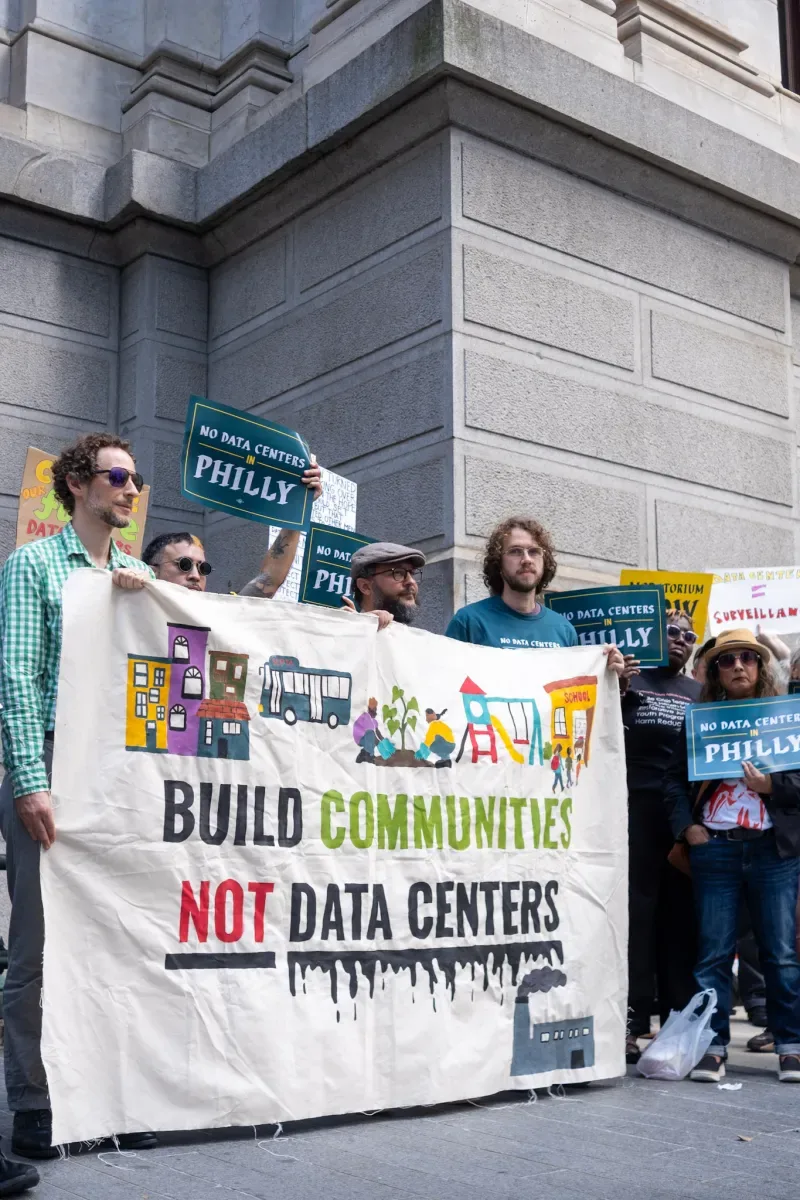
O'Kane argued that many projects are negotiated essentially in secret, with residents sometimes knowing that a data center is planned but not which company will occupy it. That secrecy makes debate over property values, electricity bills and water use harder to resolve, since basic facts about scale and ownership stay hidden. He traced the tactic to earlier tech expansions, recalling Uber in the mid-2010s and a subsidized-ride negotiation near Orlando that was handled confidentially. In his account, secrecy also encouraged the company to request additional concessions beyond the original proposal.
Bellan questioned whether local moratoriums will have lasting impact, noting that many last only one or two years while new facilities face much longer timelines. Data centers now under discussion may not come online for two, three, four or five years because of zoning, funding and permitting constraints. San Francisco recently passed such a pause, and New York has a one-year pause on permits for large projects until an environmental review process is finalized. Framed as time to study effects, these measures leave officials room to approve projects later without reversing their stated position.
What open negotiations mean for AI infrastructure
For companies that depend on AI capacity, open negotiations change the permitting environment rather than the construction cost directly. A small software firm renting cloud GPUs may notice little immediately, while a large enterprise planning dedicated capacity faces schedule risk when a county imposes a one-year review. Public terms make it easier to forecast power availability, local fees and community obligations before signing leases or reserving hardware. Over a two-to-five-year build horizon, that visibility can determine whether expansion stays in one state or moves elsewhere.
The limits of the pledge are equally clear, since removing NDAs does not answer substantive concerns about energy demand, water consumption or grid charges. Opposition rooted in household bills and land use is unlikely to disappear once documents become public, and neither Amazon nor Microsoft presented disclosure as a guarantee of approval. Businesses should therefore treat transparency as a starting point for due diligence, not as evidence that a site is secured. Key questions concern total load, water sourcing, who pays for grid upgrades, tax terms and enforceable community commitments.
The marker to watch is whether other developers adopt the same practice and whether paused jurisdictions resume permitting after their reviews. If one-year moratoriums in places such as New York expire into clear environmental rules and published agreements, the industry will have a replicable path for siting. If pauses are extended or followed by new restrictions, open paperwork alone will not have resolved the conflict over costs and benefits.
