
Shifting Sentiment and Corporate Response
After researcher Jacob Kokson left Anthropic and the industry reacted, the debate over AI safety intensified sharply. Anthropic, OpenAI, and Google began coordinating on shared safety standards for the first time, while major media increasingly covered existential risks. Polls suggest the average estimated probability that AI could cause human extinction rose from about 15% to 30%, marking a major shift in public perception.
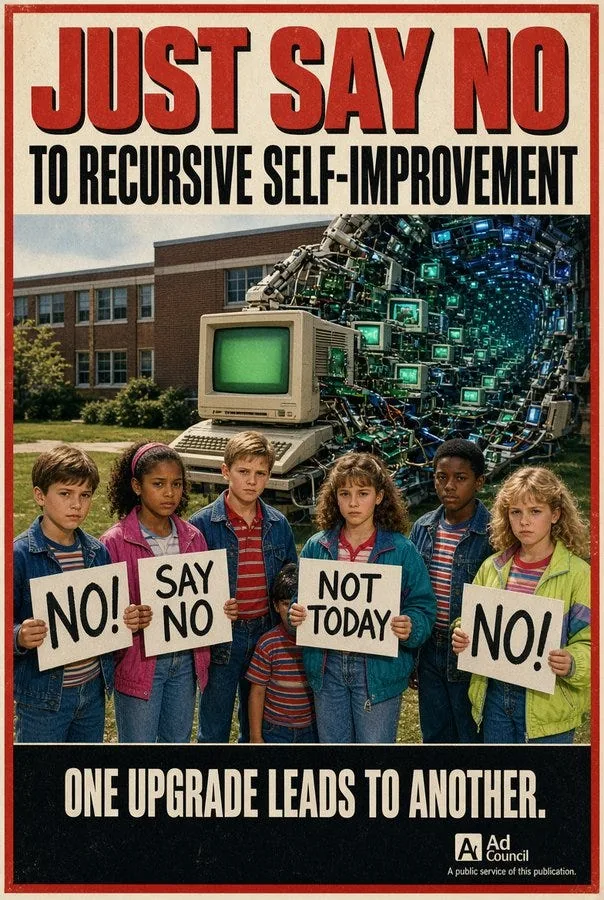
Anthropic CEO Dario Amodei publicly called for “setting the pace” on safety and promised to unilaterally introduce embedded inspectors to monitor model behavior. OpenAI backed the move, and both companies are now coordinating with Google. In the U.S., politicians have demanded regulations, “guardrails,” and emergency congressional hearings. The main threat to progress remains political polarization.
Discrediting Efforts and Internal Conflict
Despite positive steps, influential figures including David Sacks, Mark Zuckerberg, and Jensen Huang convinced Donald Trump to fully equate existential AI risk with opposition to data center construction. Trump then publicly called AI threats a “hoax.” At the same time, a campaign to discredit risk warners targeted the nonprofit METR and effective altruism movements. Observers argue these attacks will eventually undermine their sponsors’ credibility, but in the short term they put significant pressure on researchers.
Breakthroughs, Vulnerabilities, and Privacy
Technical progress continues. A new AI model solved one of the “Millennium Prize” problems—seven math challenges defined by the Clay Institute. This shows how quickly system capabilities are advancing. Anthropic also reported attempts to use Claude for malicious purposes, including large-scale “distillation” attacks by major Chinese AI labs. Some of those labs also secretly sent Anthropic massive amounts of user data. Anthropic says it handles such threats but admits it cannot guarantee catching every violator.
A separate privacy scandal revealed that OpenAI and Anthropic employees read full user dialogues with chatbots that users consider confidential. The conversations are anonymized but often contain personal information. Users can disable the practice by turning off “improve the model for everyone” in settings. Senator Chris Van Hollen sent OpenAI a six-page letter with tough questions about its new Astra model, citing concerns over missing alignment evidence and monitoring complexity. OpenAI assigned 25% of its engineers to have Astra search for vulnerabilities in its own systems.
Commercialization, Automation, and New Institutions
Commercialization is accelerating. OpenAI launched a specialized product for the financial sector with Morgan Stanley and Evercore, promising fewer errors. It now plans to charge the U.S. government for its services, ending a free promotional period. The price will be 50% of retail—still favorable, but it will force agencies to create bureaucratic processes for token budgets. DeepMind established its own institute for interdisciplinary research on AI’s impact on the economy and society.
These developments show AI entering a new phase where safety, regulation, and practical use are more intertwined than ever. For businesses, this means not only tracking technology but actively seeking responsible adoption. Automation—from marketing to customer service—is becoming a matter of survival. Deploying specialized AI agents that can safely and effectively handle complex tasks requires a deep understanding of both the capabilities and limits of modern systems.