
AI and data centers factored into the US congressional vote for 56% of voters, according to NBC News exit-poll results reported November 4, 2026. The election gave Democrats control of the House and Senate, and the survey puts technology infrastructure alongside household economic concerns as an electoral variable. For companies building or buying AI, this turns data-center expansion from a real-estate question into a political risk.
How voters rated AI and local construction
National results split into 23% calling AI and data centers crucial, 33% a major factor, 31% a minor factor and 13% saying they were not a factor. Voters in the crucial-or-major group backed Democratic congressional candidates by 64% to 34% for Republicans. Among those who called the issue minor or no factor, 57% backed Republicans and 41% backed Democrats. The figures describe associations inside the survey, not proof that the combined issue decided candidate choice.
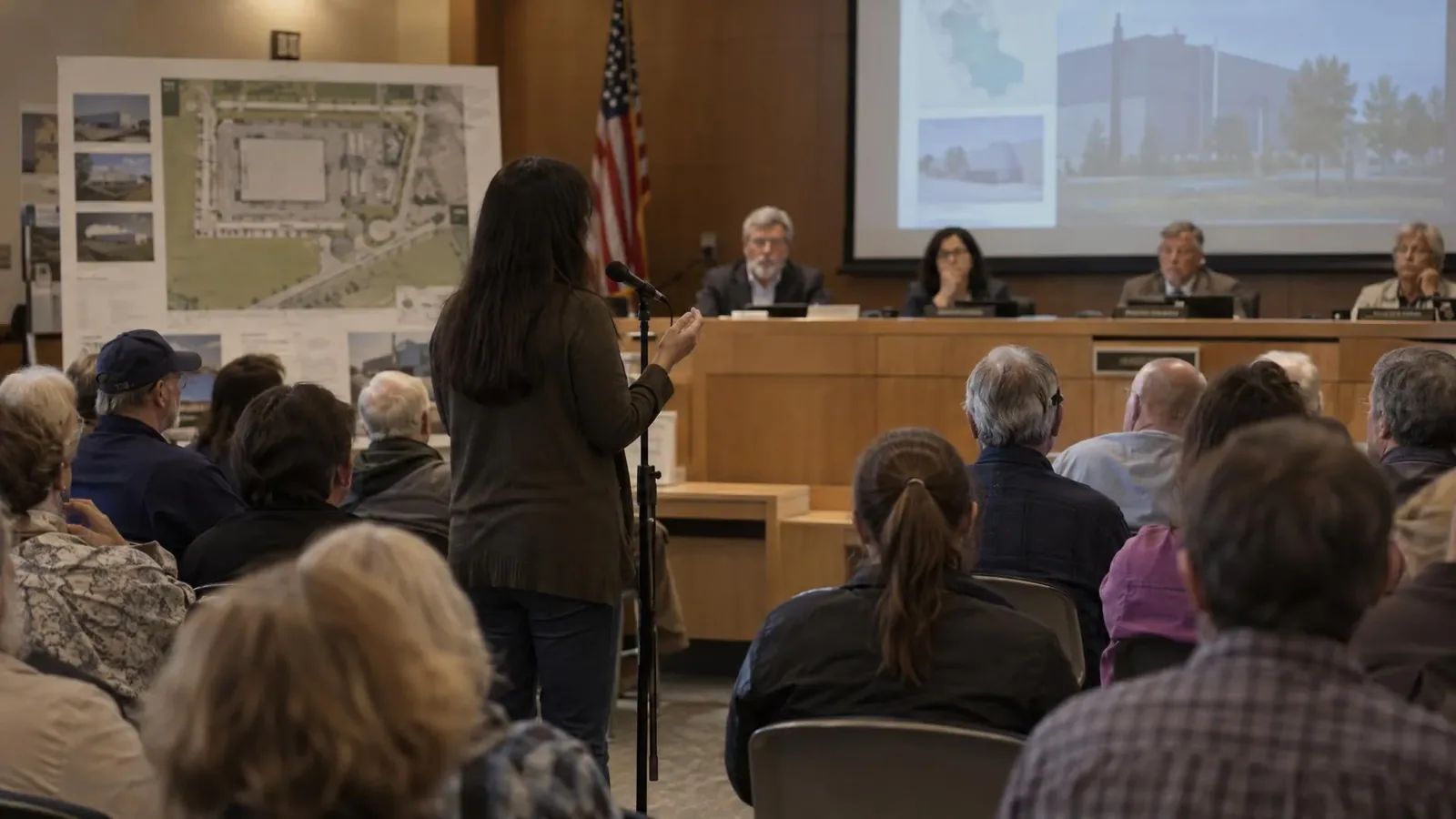
Attitudes toward the technology were skeptical, while local construction drew sharper resistance. Fifty-seven percent said AI would do more to hurt society, against 24% who expected more help and 18% who expected neither. Seventy-six percent opposed a new data-center facility in their own community, with 24% in favor. Opponents backed Democrats by 63% to 35%, while supporters backed Republicans by 72% to 27%. The question tested a facility near the respondent, not data-center development in general.
The issue carried weight but did not top the ballot of concerns measured the same way. Government corruption was crucial or major for 90% of voters, followed by the cost of living at 89%, the war in Iran at 74% and immigration enforcement policies at 73%. On a separate single-choice question about the most important issue facing the country, the economy led with 39% and the state of democracy followed with 32%. Utility costs added context, with 86% very or somewhat concerned and 54% very concerned, though results did not link that concern to views on local construction.
What the poll signals for AI operators
For AI vendors and corporate buyers, the numbers point to procurement and siting friction rather than a demand collapse. A majority-level voter concern plus 76% local opposition raises the cost of permits, community agreements and power contracts for new capacity. Large operators can spread that burden across regions and legal teams, while a small firm renting GPU capacity feels it through price and availability in constrained markets. Vendor selection now includes evidence of grid access, water use and neighborhood consent.
The same data limits how far a business should read partisan signals. Asked which party could better handle AI regardless of preference, 29% chose Democrats, 27% Republicans and 43% said neither party. Exit polls measure composition and motivations, not vote totals, and NBC used results as of 12:30 a. m. ET with reweighting as interviews arrived. The snapshot documents a prominent concern without giving either party a clear mandate on regulation, pricing or siting rules.
A marker to watch is whether local opposition converts into ordinances, utility-rate cases or state-level siting standards during the new congressional term. The poll was conducted by SSRS for NBC News and six other news organizations from more than 75,000 voters across all 50 states. If project approvals slow while neither party gains trust on AI, data-center capacity becomes the binding constraint on enterprise AI plans.
