
Pokémon Go scans from 2016 are now feeding a different machine: Niantic sold the game last year and pivoted to world models that reconstruct physical space from visual data. Unlike large language models that predict the next word, these systems predict the next visual state of a scene and simulate physics. With 2027 seen as a major year for home robotics and driverless cars, the shift matters because training will move from streets and homes into generated environments.
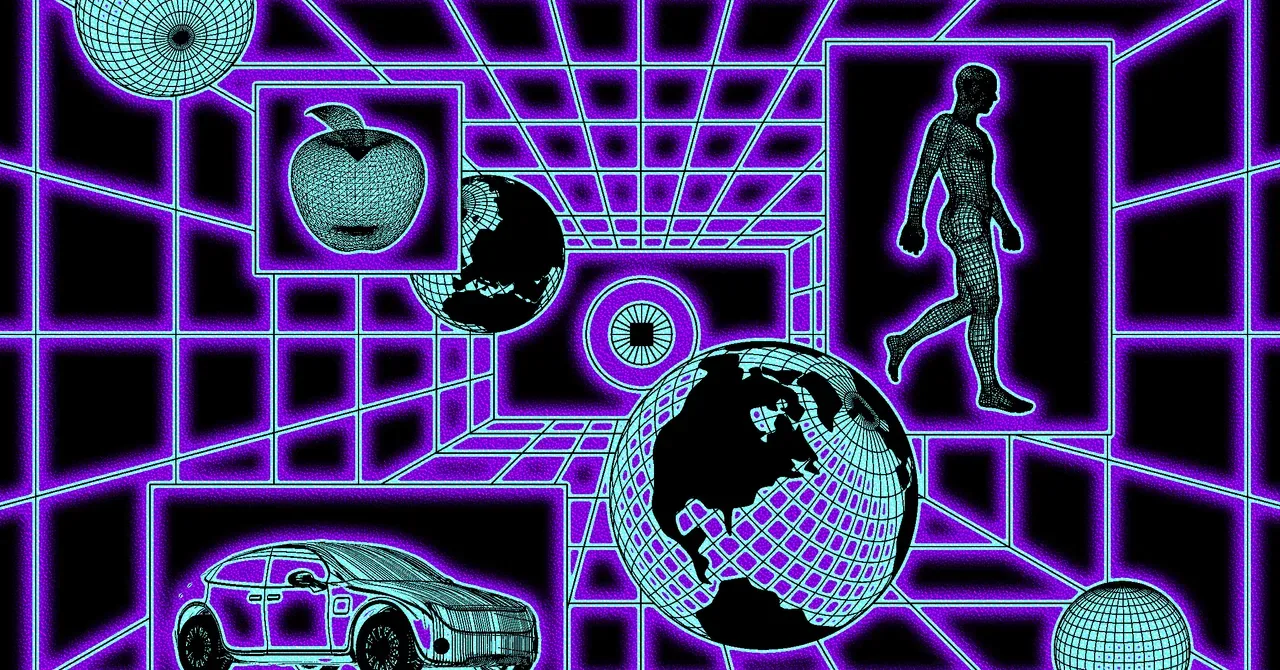
How scans, photos and video become simulations
Niantic Spatial is building replicas of the real world from its trove of environment scans collected by hundreds of millions of players. Chief technology officer Brian McClendon describes the goal as reconstructing streets, interiors and obstacles in digital form. The company no longer positions itself as a game studio after the sale, but as a holder of spatial data that can support navigation and interaction with objects. That history gives it a starting asset few AI labs possess.
Odyssey, an AI lab focused on world models, defines the mechanics in simple terms. CEO Oliver Cameron says a language model continues a sentence, while a world model continues an image by generating what the scene looks like next. The output is a 3D generation that looks and feels real, yet remains a simulation. Such generations then serve as digital training grounds where software can test movement and responses.
Wayve applies the same logic to driving. Chief scientist Jamie Shotton says a driving world model must react to actions, which requires an understanding of physics, cause and effect, and how people and objects respond. The startup powers its generative world model in part with dashcam footage and recreates hazardous roads and unsafe conditions that would be impractical to test live. Split-second reactions without a driver make that capability central to deployment.
What world models mean for business adoption
For companies considering robots, the practical change is preparation without physical presence in the target space. McClendon describes a workflow where staff photograph the intended operating area, generate a 3D model, then run millions of simulations to train the robot on its parameters. A warehouse, store or clinic could therefore be rehearsed digitally before hardware arrives. Small firms gain access to testing scale, while large operators can replicate many sites faster.
The limits sit in data supply, realism and verification. Simulations depend on recorded reality: photos, scans and video, including gig work where people film chores such as folding laundry or washing dishes for modest pay. Game developers and investors see related potential, with Tencent building its own models, Google promoting improvements, Yann LeCun raising over a billion dollars for Advanced Machines Intelligence, and AMD acquiring World Labs, launched by Fei-Fei Li in 2024, for over 8 billion dollars. None of that guarantees a model will handle a specific facility correctly.
The marker to watch is 2027, named as a possible expansion point for home robotics and driverless cars. If pilots trained largely in simulation move into unsupervised operation on real roads and in real homes, the approach will have cleared a business threshold. If rollouts stay confined to supervised tests and game graphics, physical data collection will remain the bottleneck to follow.
