
The US Treasury published draft rules on 22 October that would widen restrictions on American investment in chips, AI and biotechnology linked to China, Russia and other designated states. The proposal strengthens the Outbound Investment Security Program and carries out provisions of the COINS Act passed in the 2026 defence bill. Some transactions would require notification to Treasury, while others would be prohibited outright. For companies, this matters because cross-border funding and joint technology work could face bans or forced divestment.
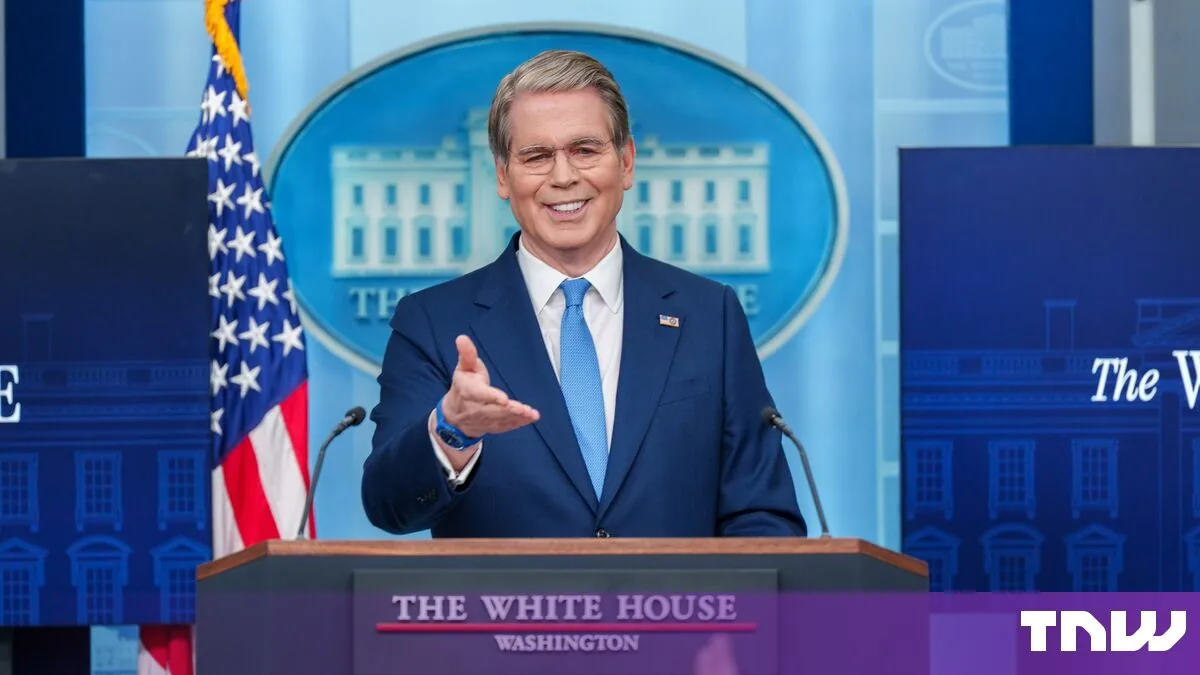
What the draft outbound investment rule covers
Treasury Secretary Scott Bessent said the proposed regulations would prevent adversaries from using US investment to develop critical technologies that threaten national security. The draft was published on Thursday and will appear in the Federal Register on 26 October, with written comments due by 7 December. Final rules will follow later and will set the start date. Violations could bring civil penalties up to the maximum under the International Emergency Economic Powers Act. Treasury could also require investors to sell the relevant holdings.
The law identifies five sectors: chips, AI, quantum technology, supercomputing and hypersonic systems. Treasury used authority under the act to add biotechnology as a sixth covered area. The draft replaces the term "AI systems" with "super intelligence systems", citing the executive order of 29 September in which President Trump renamed AI. For these systems, Treasury would remove the current option to proceed after notification. Investment in that category would fall under prohibition rather than reporting.
The program traces back to 2023, when then-President Joe Biden signed an order limiting some US investment in Chinese chips, quantum computing and AI. The country scope now extends beyond China, including Hong Kong and Macau, to Cuba, Iran, North Korea and Russia. Treasury also names Venezuela under Nicolas Maduro, although its fact sheet states that Venezuela does not meet the draft definition at present. The proposal arrives six days after China proposed its own controls on exports of advanced AI models and chip designs.
What tighter outbound controls mean for business
Companies that fund or co-develop models, chip designs, quantum tools, supercomputing capacity or hypersonic technology will need to screen destinations and deal structures earlier. A transaction that previously could proceed with a filing to Treasury may become barred, which changes timelines for venture funds, corporate venture arms and technology partnerships. Large groups with dedicated compliance teams can map portfolio exposure across subsidiaries and co-investors. Smaller firms without such resources face longer legal review and a narrower set of permitted foreign partners.
Several conditions still require verification before any investment decision. The final text, the start date and the precise definitions of covered activities and ownership thresholds will determine which deals are caught. Christopher Pilkerton, Treasury assistant secretary for investment security, said the rules address risks when foreign adversaries seek benefit from US investment in key technology sectors. The draft does not by itself ban all technology business with the listed states. Firms should ask counsel which operations count as covered, what notification requires, and when divestment can be ordered.
The marker to watch is the final rule after the comment period ending 7 December, including its effective date and scope for super intelligence systems and biotechnology. Statements last week add context: Pentagon technology chief Emil Michael said export controls could restrain AI labs. If the final version keeps the broad country list and the shift from notification to prohibition, cross-border AI and semiconductor funding will operate under tighter and less flexible limits.
