
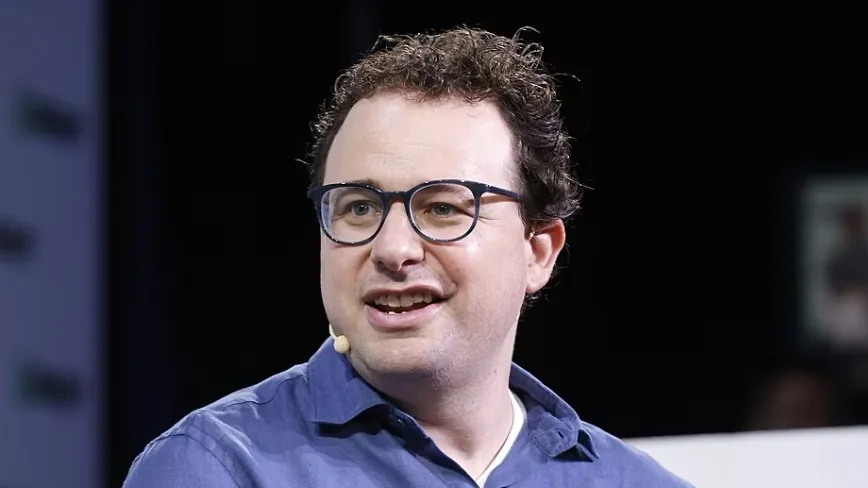
U. S. President Donald Trump plans to hold a private White House dinner with Anthropic chief executive Dario Amodei on Sunday evening, in what would be their first one-on-one meeting. The plan was reported by Axios journalists Maria Curi and Marc Caputo, citing people familiar with the matter. The contact matters for business because Anthropic models sit inside many corporate workflows, and direct dialogue with the White House often precedes decisions on access and safety rules.
First private meeting after missed state dinner
The dinner is planned as a private Sunday evening meeting at the White House, with the invitation extended by Trump personally. According to Axios, the invitation followed Amodei's absence from last week's state dinner for Chinese President Xi Jinping, which OpenAI chief Sam Altman and Google chief Sundar Pichai attended. The reason given for the absence was a scheduling conflict. The report rests on sources familiar with the matter, and TNW noted it had not independently confirmed the dinner.
The meeting would continue an uneven relationship between Anthropic and the administration this year. In April, the White House opposed the company's plan to widen access to its Mythos model, placing limits on distribution. In June, Trump met Amodei at the G7 summit and afterward said he no longer viewed Anthropic as a national security threat. Axios also reported that some senior officials had advised Trump against meeting Amodei, which explains why a direct conversation carries weight beyond protocol.
Timing links the dinner to a broader policy sequence. On Tuesday, Trump and House Speaker Mike Johnson are due to meet technology chief executives at the White House to discuss AI, with Johnson saying the agenda will include the companies' responsibility to keep AI safe. The dinner also follows Amodei's call this month for the AI industry as a whole to slow down, a position Trump has brushed aside. A White House official told Axios that Trump intends for America to lead in Super Intelligence while protecting consumers, framing speed and safeguards as parallel goals.
What the dinner means for AI adopters
For companies that build on large language models, the practical effect runs through access and compliance rather than politics. If White House engagement eases concerns around models such as Mythos, enterprises could see more stable terms for deployment, documentation, and safety reviews. Larger firms with regulated workloads would feel any shift first, because they face stricter internal approval for model choice and data handling. Smaller firms would feel it indirectly, through the features and limits that vendors pass into products and APIs.
There is still little to base purchasing or architecture decisions on. The dinner itself is unconfirmed beyond the Axios sourcing, no agenda has been disclosed, and opposition from some officials shows that internal views differ. The episode does not by itself signal looser access to Mythos or a change in federal safety expectations. Buyers should ask vendors which deployment options are currently approved, what safety evaluations support them, and how contract terms would handle a policy shift after the Tuesday talks.
The marker to watch is the Tuesday session with Trump and Johnson and any statement that follows on safety responsibilities. If it produces shared principles, timelines, or follow-up reviews involving Anthropic, OpenAI and Google, the Sunday dinner will look like preparation rather than courtesy. Absence of such follow-through would leave corporate AI plans operating under the same access constraints as before.