
OpenAI introduced Dots, always-on AI agents inside ChatGPT that continue work without step-by-step prompts and can surface results before being asked. Announced at the DevDay developer conference, the agents run on GPT-6 Astra and each operates from its own cloud computer. For business users this shifts ChatGPT from a single-prompt tool toward delegated goals that progress in the background.
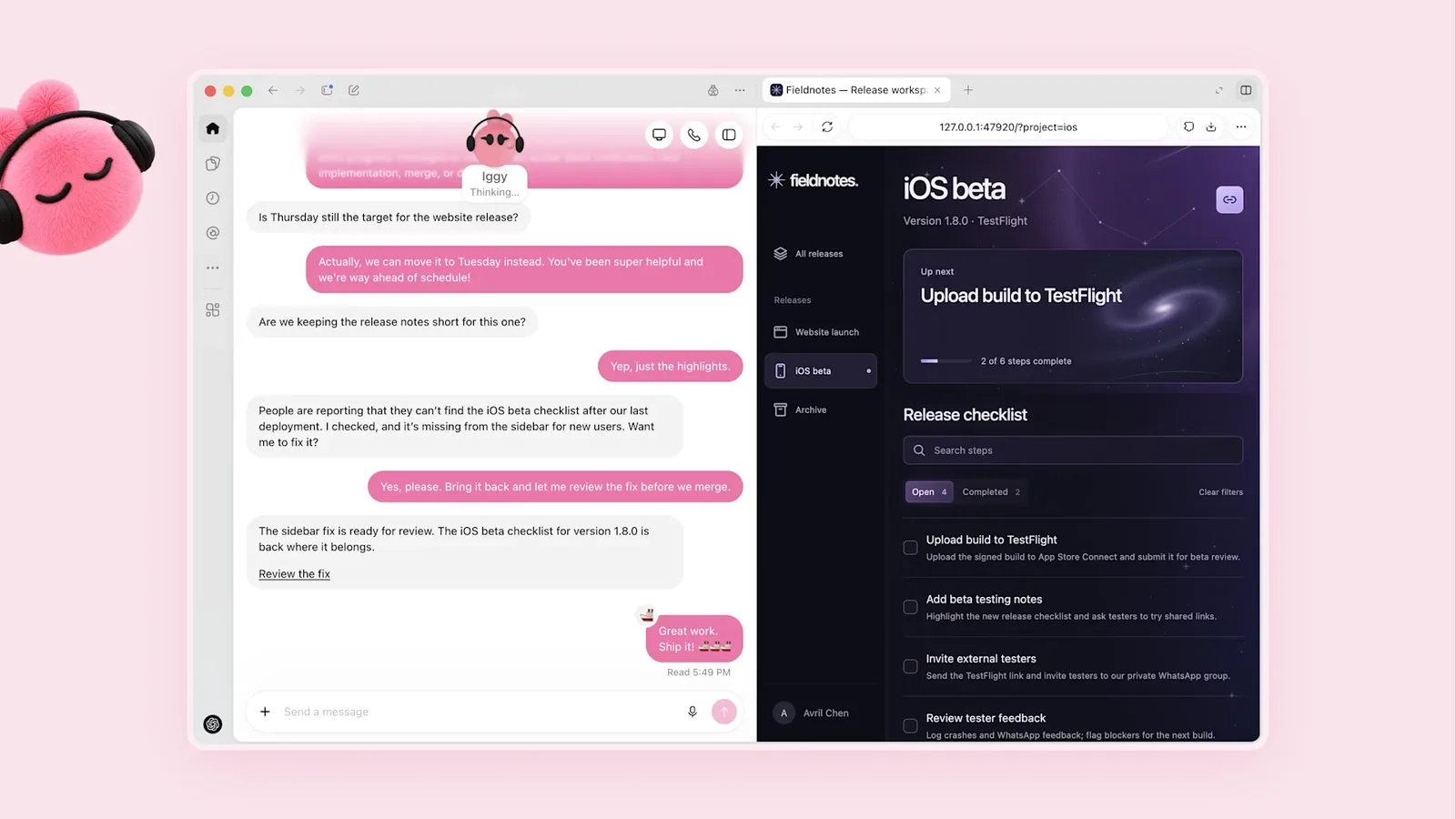
How Dots agents work and where they run
Each Dots agent has a dedicated cloud computer that its owner can open at any time to inspect current activity. The agents reach more than 4,000 apps through OpenAI plugins, and with permission they can also operate directly on the owner laptop. Users contact an agent by message or call in ChatGPT on desktop, web or mobile, as well as through Slack and Teams.
Context follows the agent across channels, so a project started in ChatGPT can move into Slack without a new briefing. Agents send progress updates and questions to owners, learn preferences from feedback, and handle several projects at once. OpenAI reports internal use where agents begin investigating a bug reported in Slack, while designers see new concepts converted into working apps as staff focus on customer feedback.
When no task is assigned, an agent performs what OpenAI calls proactive research and looks for ways to help. During that mode its connections to owner apps are read-only, which prevents sending messages or changing data. One outside tester forgot to bill a publication, and the agent noticed the gap, prepared the invoice and held it for approval before sending.
What Dots changes for companies using AI
For companies that already run support, sales or operations through ChatGPT, Slack and Teams, Dots reduces handoffs between tools and people. A small firm gets an extra worker that watches billing, follow-ups and research without adding headcount, while a larger organization can keep parallel projects moving across departments with shared context. The practical gain is continuity: work does not restart each time the channel changes.
Controls and limits shape adoption decisions. Actions that can affect accounts or share information must pass auto-review, a monitoring system can pause or stop an agent on safety concerns, and OpenAI advises users to review consequential work because mistakes remain possible. Separately previewed specialist agents carry their own identity and credentials for one defined job, such as procurement or invoice processing, start as focused pilots with OpenAI engineers defining responsibilities, and can be managed through governance controls in Agent 365 with Microsoft.
Availability and pricing set the near-term marker to watch. Dots began rolling out to ChatGPT Pro and Business Premium subscribers, with some accounts waiting several days, while Pro subscribers in the European Economic Area, Switzerland and the U. K. are excluded. Enterprise, Edu and Healthcare customers can try a beta after a workspace administrator enables it. One agent is included at no extra cost, usage does not count against plan allowances for the first month, and terms for extra agents, speed or capacity will follow. Competition is direct: Meta released its Muse personal agent in the U. S. on Sept. 8, also running on a dedicated cloud computer, free for most use with subscriptions for heavier users.