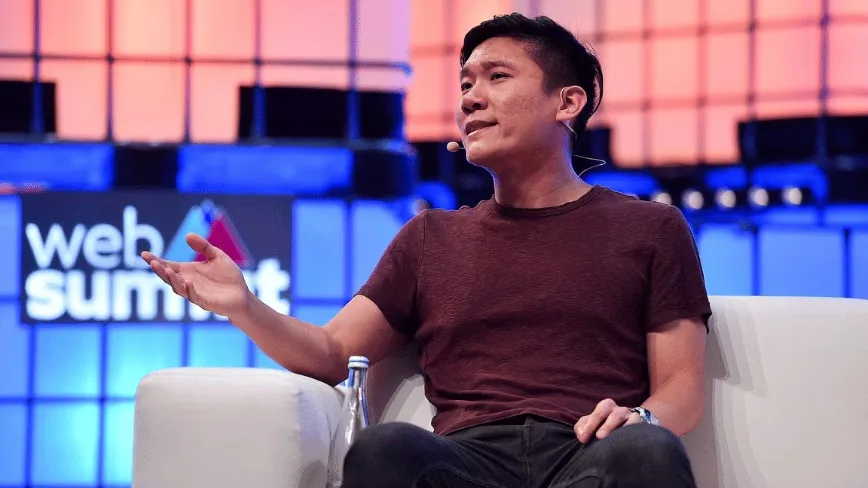
Patreon co-founder Sam Yam will lead Creator Product at OpenAI and arrive with two former Patreon executives, while first details on new creator tools are expected around DevDay on 29 September. Yam, who started Patreon 13 years ago and served as its technology chief, announced the move on Tuesday on X. For companies built around content, paid communities and digital products, the hire points to a separate product effort shaped directly with creators rather than only with developers.
Team move and early hints on tools
Yam said on X that the group will build together with creators at OpenAI and share early access to a new set of tools for creators and their communities. He is joined by Drew Rowny, Patreon head of product, and Shannon Ma, Patreon head of engineering. Both executives stepped down from Patreon in the past few weeks, according to The Verge. Yam thanked OpenAI chief executive Sam Altman for support in bringing the team over. The announcement did not name products, prices or launch dates, keeping attention on next week developer event.
The mechanics of the plan remain thin. Yam did not describe what the tools do, how they connect to existing OpenAI products or who will get access first. He said he was becoming active on X again and experimenting with some early tools there, which points to live testing in front of an audience. His thread linked to a post Altman published on 17 September, in which Altman said the main launch planned for that week would instead arrive the following week. Taken together, the posts point to DevDay, scheduled for Tuesday, 29 September according to The Verge, as the place to look for scope and availability.
The hire lands after a difficult stretch at Patreon and an active hiring period at OpenAI. Patreon cut 20% of staff in January, according to The Verge, and later published an extensive roadmap to overhaul user features, including discovery for smaller creators. OpenAI has added senior leaders in quick succession. Last week it named Brian McCarthy as its first worldwide sales chief, and in August it hired Sandhya Devanathan from Meta to lead Southeast Asia and Australia. It has also been buying teams, including camera startup Glass Imaging this month, which frames the creator hire as part of wider team and capability building.
What this means for creator businesses
For operating businesses, the practical interest is in distribution and monetization workflows rather than models alone. If OpenAI releases creator-oriented tools with early access, small teams and independent publishers could test audience growth, content production and community management in one place without assembling separate software. Larger media companies and education providers would likely assess the same tools for production speed, rights controls and integration with existing subscriber systems. The difference is in leverage: small firms gain capacity they could not staff, while large firms gain throughput across catalogs and channels.
There are clear limits to what the announcement proves. No functions, interfaces, data terms or commercial terms were disclosed, so buyers cannot yet judge fit, cost or workload for support teams. Companies should watch how creator identity, payments and audience data are handled, and whether the tools fit Patreon-style membership logic or require migration to new workflows. It would be wrong to read the hire as a finished product strategy. Useful questions for vendors now concern access criteria, content ownership, moderation duties and measurement of return from early pilots.
The near-term marker is DevDay on 29 September. If OpenAI shows working creator tools, access rules and pilot partners there, businesses can treat the creator push as an operational plan with timelines. If the event brings only the delayed launch mentioned by Altman, the effort stays at the hiring stage for now. That distinction will decide whether teams allocate testing resources this quarter.