Metaview Labs has closed a $60 million Series C round to scale AI agents that automate recruiting tasks from job ads to initial interviews. The round was led by Insight Partners and brings total funding to $110 million. The company says its agents have already conducted more than 6 million interviews for over 7,000 customers. The bet is that recruiters will shift from manual processing to orchestrating agents, cutting time-to-hire.
Series C terms and new recruiting agent
Insight Partners led the round, with participation from GV, Seedcamp, Vertex Ventures US, Intrepid Growth Partners, Plural and Garuda Ventures. Metaview was founded in 2018 by former Uber and Palantir employees Siadhal Magos and Shahriar Tajbakhsh, who serve as chief executive and chief technology officer. The startup describes the moment as a "Claude Code moment" for recruiting, when engineers stopped writing every line of code and started directing agents that handle routine work. Recruiters, in this view, will manage agent output rather than queues and schedules.
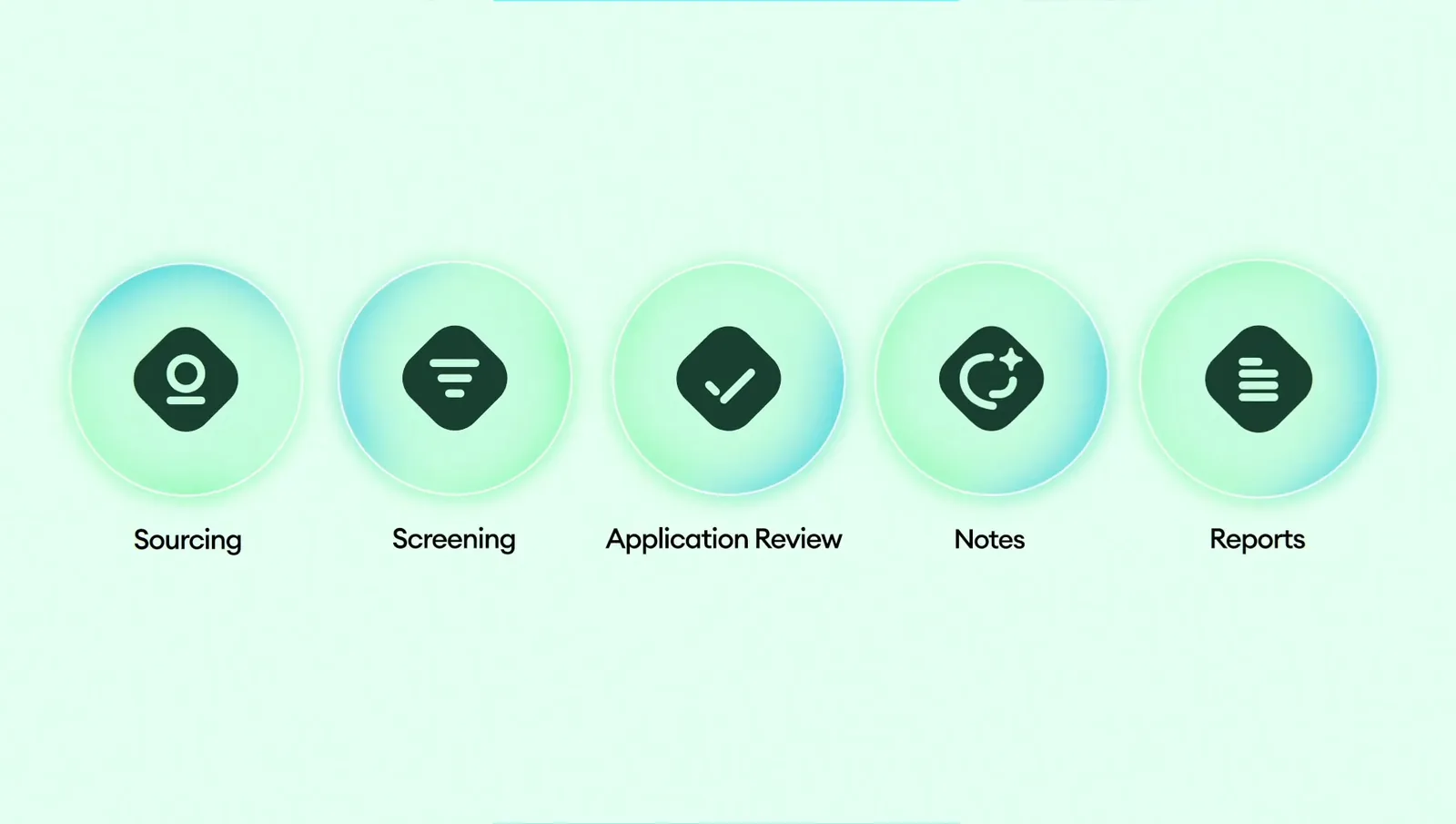
Agents cover sourcing and screening, resume and cover-letter review, and initial interviews. Humans set interview questions and qualification criteria in advance, then receive structured notes generated from candidate responses for shortlisting. The new product, fillmore, is generally available and runs inside Slack. It researches prospective candidates, builds target lists, writes personalized outreach emails, manages follow-ups and schedules meetings with interested people. The company frames this as always-on recruiting with humans keeping control over hiring decisions.
Chief executive Siadhal Magos links demand to workload growth, saying applications per recruiter have increased 412% while many teams still process queues, search profiles, write outreach, schedule screens and chase feedback with minimal technology. Scaling recruiting teams up for hiring spikes and then dismantling them is expensive and painful, in his assessment. Named customers including Deel, Affirm and Replit have reduced average time-to-hire by more than 75%. The company now employs around 80 people and plans to exceed 250 staff by the end of next year across engineering, product, design and go-to-market roles.
What automated hiring means for business
For companies with steady hiring, the practical effect is shorter cycles and fewer bottlenecks at screening and scheduling. Structured interview notes and automated sourcing allow a small HR team to process larger applicant volumes without adding temporary recruiters. Larger enterprises can standardize initial screening across departments while keeping final interviews human-led. The Slack-based operation of fillmore also lowers adoption friction, since outreach and scheduling happen where hiring managers already coordinate.
Automation does not remove the need for clear criteria and oversight. Since humans define questions and qualification thresholds, poor requirements will produce fast but misdirected shortlists. Buyers should verify how notes are generated, what data sources fillmore uses for research, and how personalized outreach is labeled. It is also worth asking how the system handles false positives, candidate consent, and integration with existing applicant tracking tools before scaling beyond a pilot team.
The marker to watch is whether Metaview delivers its next set of specialized agents and staff expansion on schedule. Growth to more than 250 employees by the end of next year, plus wider use of its 10x Recruiting training program for human recruiters, would signal sustained enterprise demand. If additional customers report hiring-time reductions close to 75%, agentic screening will move from experiment to standard practice.