Industrial AI startup Noetive formally launched with $41 million in seed funding, led by Eclipse Ventures, to put self-improving AI agents to work on factory floors and freight operations. The company says design partners in manufacturing, logistics, energy and data centers already run its software. The size of the round matters because industrial operations, not internet information work, are where most AI spending has yet to arrive.
Who stands behind the company
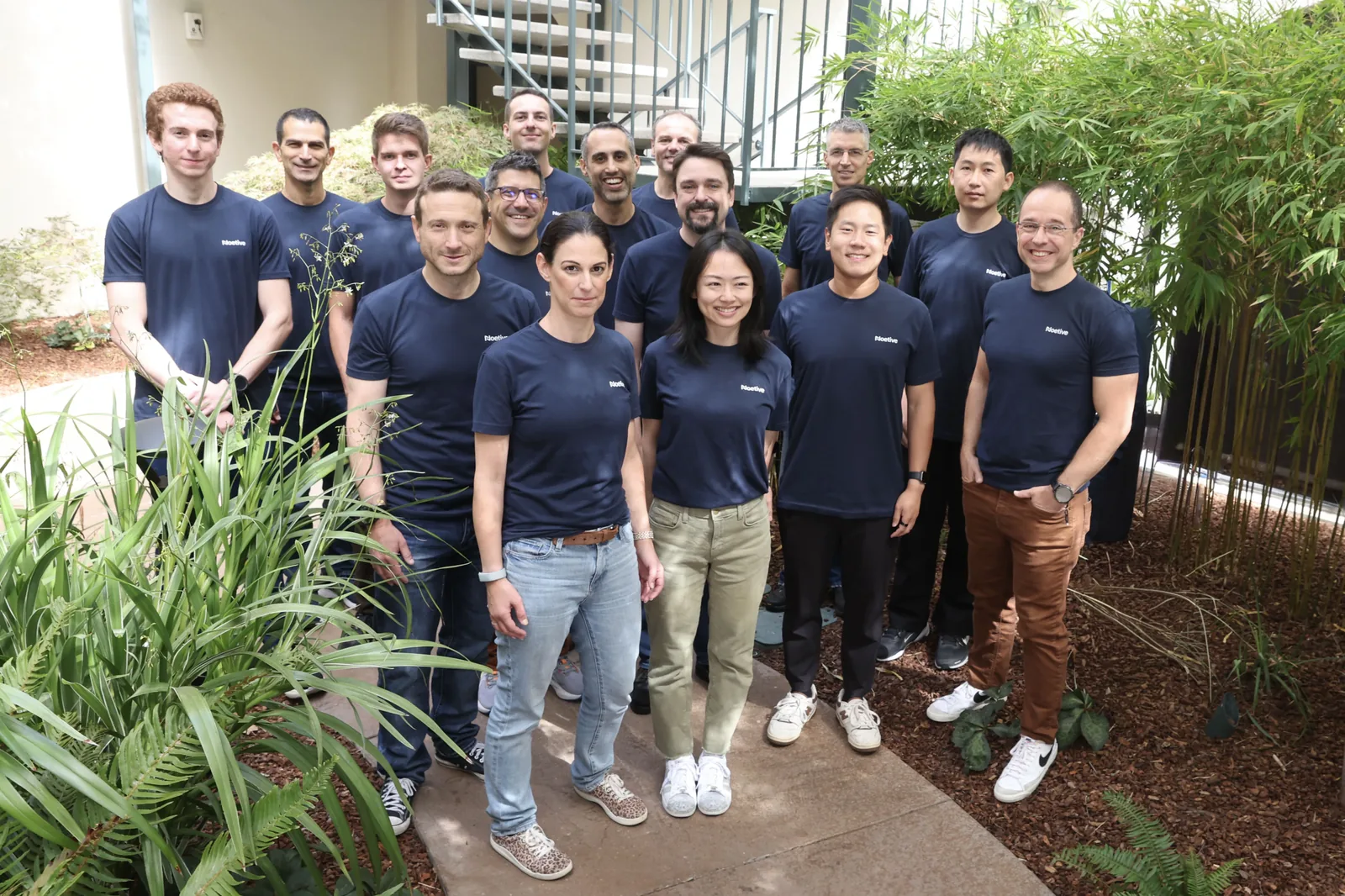
Noetive is led by Chief Executive Amir Frenkel, who spent nearly a decade at Meta Platforms as a vice president and also held leadership roles at Alphabet and Amazon. com. The rest of the team comes from those companies and from Fortune 500 businesses, and includes researchers who have worked on foundation models. The round was led by Eclipse Ventures; Bloomberg reported in April that the firm had hired Frenkel from Meta as its first chief AI officer, and Noetive took shape inside Eclipse from there, with the firm helping recruit the founding team. Other backers include Craft Ventures Management, The Westly Group, Swish Ventures, Factory, Incite Ventures, Gigascale Capital, Operator Partners and Liquid 2 Ventures. Among individual investors are Meta Chief Technology Officer Andrew Bosworth, Airbnb Chief Technology Officer Ahmad Al-Dahle and the three co-founders of Decart. AI. Incite was founded by Nest co-founder Matt Rogers, and Gigascale was started by former Meta Chief Technology Officer Mike Schroepfer.
Noetive calls its answer an intelligence of record. At the core is a self-improving AI model the company refers to as a brain, and the agents built on it run on top of the tools a customer already has, taking on the hardest operational problems end to end. Each deployment is supposed to make the model more capable. Physical conditions reach it through a multimodal sensing pod that Noetive designs itself, which is how data from the floor gets into the same loop as system records. The funding will pay for research into self-improving AI for physical operations, field testing happens with a curated group of design partners, and the company is recruiting AI researchers and full-stack engineers to expand its staff.
Frenkel said most AI products to date were designed for information work living on the internet, while running a plant or a distribution network means juggling materials, machinery, labor and suppliers that never stop changing. According to Noetive, the decisions tying those together still rest on data from siloed systems that were never built to coordinate an entire business. Food and beverage manufacturer Steuben Foods is one of the early partners. Its chief executive, Menachem Katz, said production planning has always been one of the most time-consuming parts of running the business because even small changes ripple across the operation; Noetive now reads both Steuben's system data and conditions on the factory floor, and work that once happened monthly and took a week of planning now happens daily and takes minutes. Eclipse founder and Chief Executive Lior Susan said the $30 trillion physical economy has largely been left behind by AI, and that the firm built Noetive to go after that gap.
What this means for business
For companies that run plants, warehouses or fleets, the practical change is where planning work sits. Noetive does not ask for a replacement of the systems a business already uses: its agents sit on top of them, so a manufacturer can test the approach without a full migration of ERP or scheduling software. The Steuben example shows the scale of the effect — a planning cycle that ran monthly and consumed a week of staff time moves to daily execution in minutes. A mid-sized operation with a single production site can start with one planning process, while a larger group with several plants and suppliers faces a harder question of which site becomes the first design partner and how floor data is collected across sites.
What the launch does not settle is how repeatable those results are outside a curated group of design partners. Field testing is limited to that group, so published evidence of gains across many customers does not yet exist, and the claim that each deployment makes the model more capable is the company's own. A buyer should ask how the multimodal sensing pod is installed and maintained, which existing systems the agents can read and write to, what happens when the model's recommendation conflicts with a planner's judgment, and who is accountable for a wrong call on a live line. The $41 million seed round funds research and hiring, not a proven multi-year track record, and the roster of investors says more about access to talent than about deployed results.
The marker to watch is the composition of Noetive's design partners a year from now: if manufacturers, logistics operators and data center owners outside the initial curated group begin running the software in production and describe planning cycles in days rather than weeks, the model of self-improving AI for physical operations will have moved from a funding story to an operational one. Until then, the $30 trillion physical economy remains a stated opportunity rather than a measured market.