
Deepgram said on Thursday it is acquiring Daily, the maker of the open-source voice AI framework Pipecat, to strengthen its position in real-time voice infrastructure. The companies did not disclose the deal amount but said Pipecat will remain open-source. The move matters because it combines a speech model provider with widely used orchestration for voice agents.
Why Deepgram bought the Pipecat team
Daily provides hosted infrastructure for voice and video calls, while Pipecat manages voice and video streams alongside speech-to-text, large language models and text-to-speech models with reduced latency. Deepgram expects the deal to give it deeper knowledge of real-time voice and video infrastructure. Both companies were in the same Y Combinator batch in 2016, which adds a shared early history to the combination.
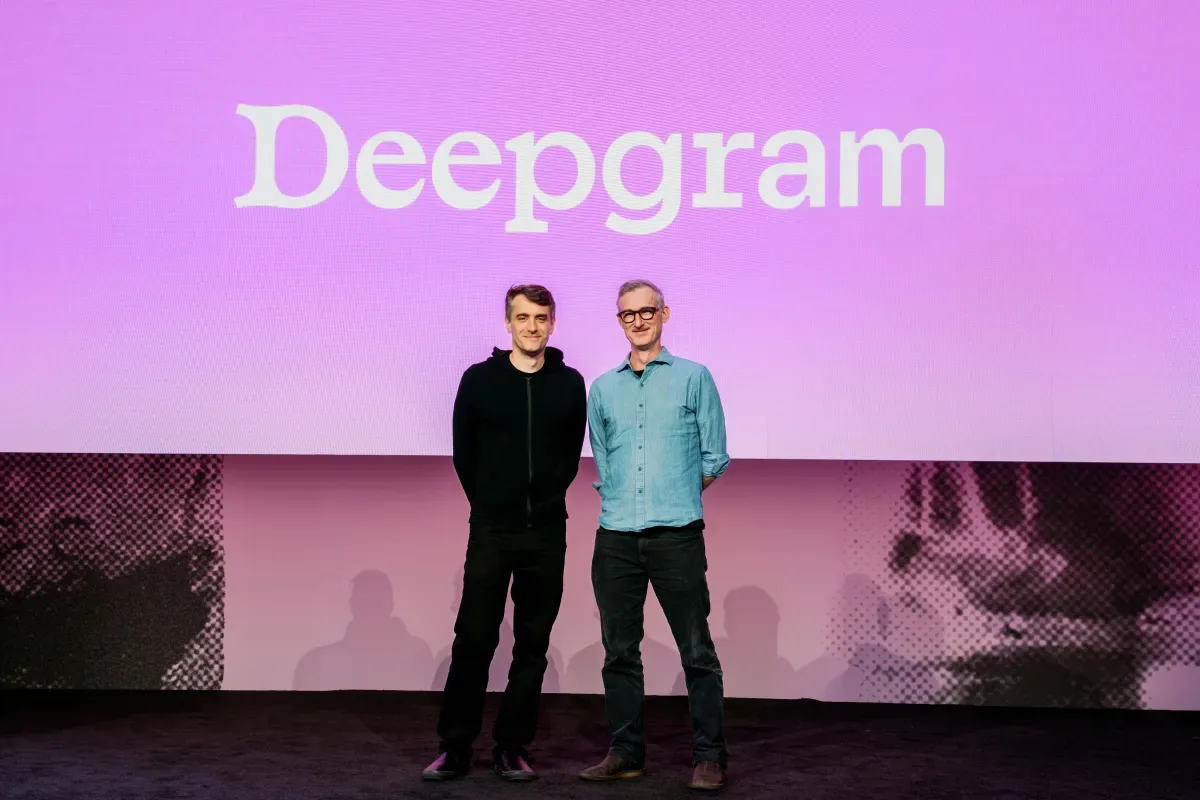
Daily co-founder Kwindla Kramer said the company began experimenting with AI-to-human communication over voice and text around the release of GPT-4, work that later became Pipecat. He said there had been substantial acquisition interest, but he preferred Deepgram CEO Scott Stephenson's commitment to keep Pipecat open-source and vendor-neutral. The engineering cultures matched, and the Daily team gains scope to work across more of the stack inside a larger organization.
Stephenson said Deepgram had wanted to work in open source for a long time and saw an orchestration framework for agents as a natural area. He framed openness as a commercial advantage in a fast-growing ecosystem, where developers should use the best models for each use case, including partner models. If that exposes gaps in Deepgram models, he said, the company wants to learn from partner usage and improve those areas.
What the deal means for voice agent builders
For companies building voice agents, the combination points to easier assembly of expressive end-to-end speech systems from interchangeable parts. Stephenson described plugging in different models plus a context bus that connects all parts of the pipeline. Small teams can start with hosted Daily infrastructure and Pipecat orchestration, while larger firms can standardize STT, LLM and TTS choices across call centers, sales lines and support operations.
The open-source and vendor-neutral pledge reduces one adoption risk, but buyers still need to verify its practical terms. Contract language, governance of Pipecat, support for non-Deepgram models and pricing of hosted Daily capacity all affect total cost. The news alone does not guarantee latency, accuracy or uptime in a specific deployment, so pilot tests should measure call quality, fallback behavior and integration effort before wider rollout.
The marker to watch is adoption of the new Real-Time Context Standard, an open protocol for voice agents co-developed by Deepgram and the Pipecat team. It defines metadata such as context from audio like a whisper, instructions for a language model on using those signals, and guidance on how the response should sound. If rival model makers and infrastructure firms support it, open orchestration could become the default way to build voice agents.
